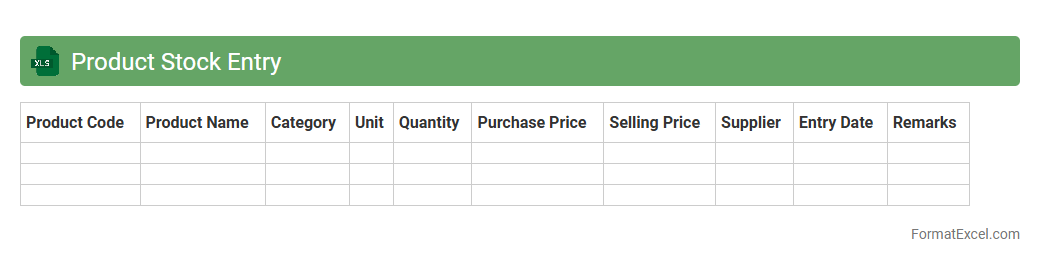
Product Stock Entry
A
Product Stock Entry Excel document is a structured spreadsheet used to record and manage inventory details such as product names, quantities, purchase dates, and supplier information. It helps businesses track stock levels, prevent overstocking or stockouts, and facilitates efficient inventory forecasting. Using this document enhances accuracy in inventory control, streamlines stock audits, and supports better decision-making for supply chain management.
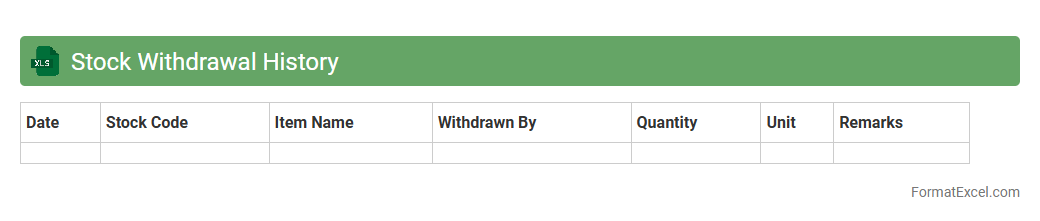
Stock Withdrawal History
The
Stock Withdrawal History excel document records the detailed log of items or materials withdrawn from inventory over a specific period. It helps track stock movements, monitor usage patterns, and identify discrepancies between recorded and actual inventory levels. This document is essential for efficient inventory management, cost control, and ensuring accurate stock replenishment.
Item Restocking Schedule
An
Item Restocking Schedule Excel document is a tool designed to track inventory levels and plan reordering dates effectively. It helps businesses avoid stockouts by providing timely alerts for replenishment based on sales velocity and current stock. Using this schedule enhances supply chain management, reduces holding costs, and ensures consistent product availability.
Inventory Adjustment Record
An
Inventory Adjustment Record Excel document is a detailed log used to track changes in stock levels, including additions, removals, and corrections. It provides accurate and real-time updates on inventory quantities, enabling efficient management of resources and prevention of discrepancies. This tool improves inventory accuracy, supports auditing processes, and assists in maintaining optimal stock levels to meet business demands.
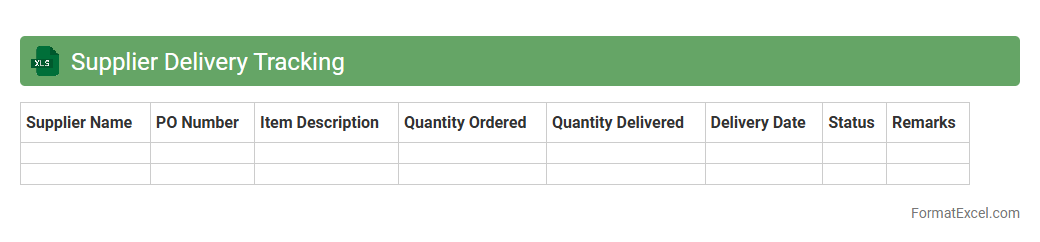
Supplier Delivery Tracking
A
Supplier Delivery Tracking Excel document is a tool designed to monitor and record the status of goods supplied by vendors, including expected delivery dates, quantities, and shipment status. It helps businesses maintain accurate records of supplier performance, identify delays, and ensure timely procurement. Utilizing this document improves inventory management, reduces supply chain disruptions, and supports timely decision-making in procurement processes.
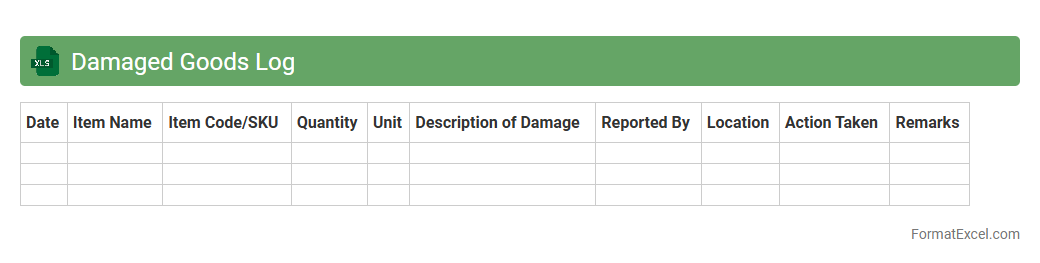
Damaged Goods Log
The
Damaged Goods Log Excel document is a structured spreadsheet designed to record and track damaged inventory items systematically. It helps businesses monitor the quantity, type, and reasons for product damage, enabling efficient loss management and inventory control. By analyzing this data, companies can identify patterns, improve quality control, and reduce future occurrences of damaged goods.
Return to Vendor Record
A
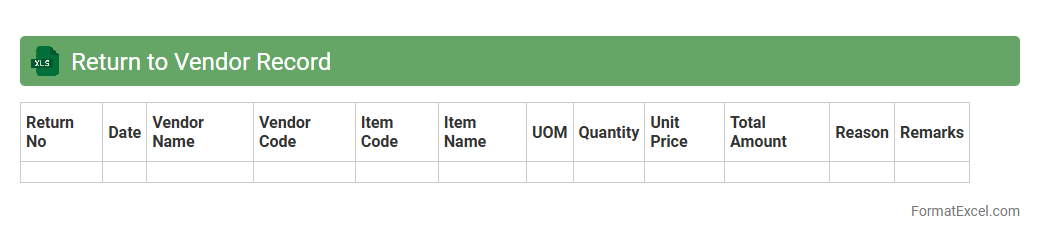
Return to Vendor Record Excel document is a detailed log tracking products sent back to suppliers due to defects, damages, or order discrepancies. This record helps businesses maintain accurate inventory levels, streamline the return process, and identify recurring vendor issues. Utilizing this document enhances supplier accountability and improves overall supply chain efficiency.
Batch Expiry Management
A
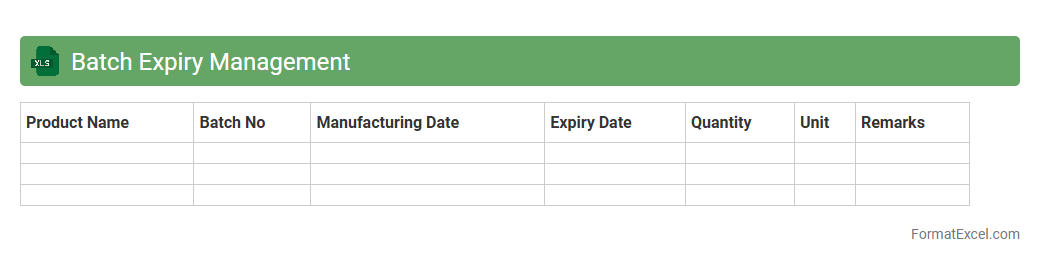
Batch Expiry Management Excel document is designed to track and monitor the expiration dates of product batches systematically. It helps businesses prevent losses by ensuring timely usage or removal of expired items, enhancing inventory control and compliance with safety standards. This tool streamlines batch tracking, reduces waste, and improves overall supply chain efficiency.
Serial Number Tracking
A
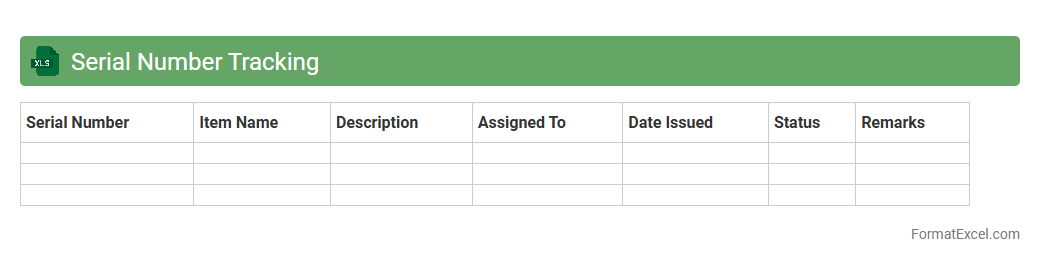
Serial Number Tracking Excel document is a specialized spreadsheet designed to record, monitor, and manage unique product identifiers throughout the supply chain or inventory. It allows businesses to trace individual items for warranty claims, quality control, and theft prevention by maintaining detailed records of each unit's serial number, purchase date, and status. This tool enhances accountability and improves inventory accuracy, reducing errors and streamlining asset management processes.
Stock Transfer Log
A
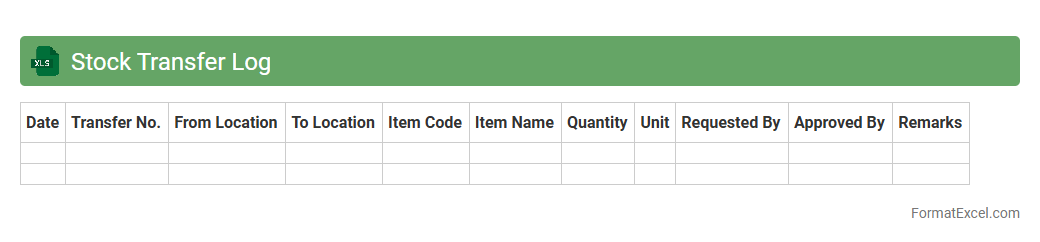
Stock Transfer Log Excel document is a detailed record used to track the movement of inventory items between different locations or departments within a company. It helps maintain accurate inventory levels, ensures accountability, and provides a clear audit trail for stock transfers, reducing errors and discrepancies. This log facilitates seamless inventory management, improves operational efficiency, and supports data-driven decision making for supply chain optimization.
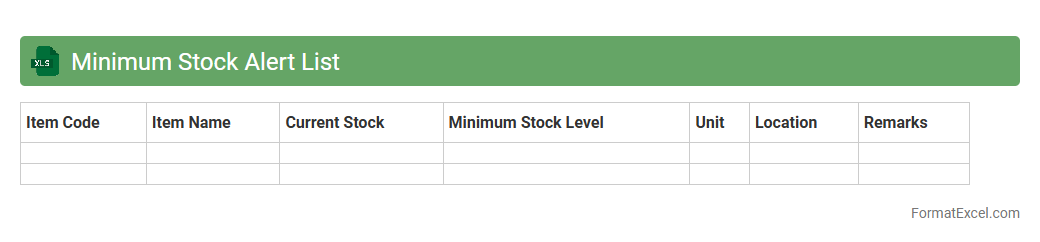
Minimum Stock Alert List
The
Minimum Stock Alert List Excel document is a vital inventory management tool that tracks stock levels and identifies items that have reached their minimum threshold. It helps businesses prevent stockouts by prompting timely reordering, ensuring continuous product availability. This document enhances operational efficiency by reducing delays and optimizing inventory control processes.
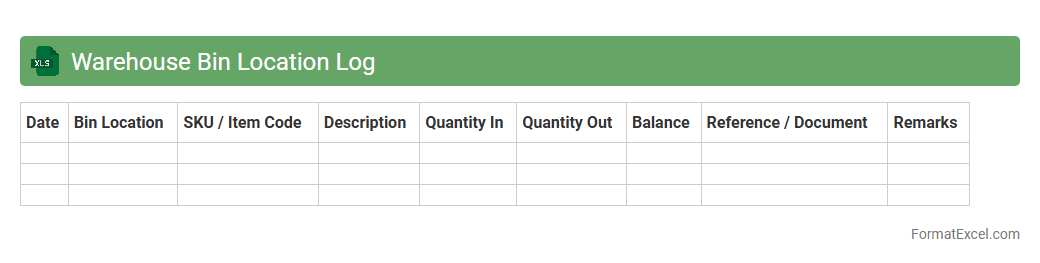
Warehouse Bin Location Log
The
Warehouse Bin Location Log Excel document is a detailed record that tracks the exact placement of inventory within a warehouse, including bin numbers, item descriptions, and quantities. It enhances inventory management by providing quick access to bin locations, reducing search time, and minimizing errors in order fulfillment. This log supports efficient stock control and improves overall warehouse operations by enabling accurate and real-time tracking of stored goods.
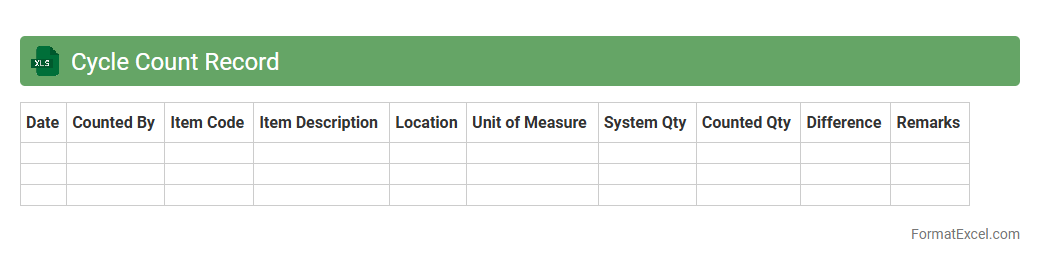
Cycle Count Record
A
Cycle Count Record Excel document is a structured file used to track and manage inventory counts by recording the quantities of items checked during cycle counting processes. It helps maintain accurate stock levels, identify discrepancies, and improve inventory accuracy without halting warehouse operations. Using this document enhances inventory control, reduces stockouts, and optimizes supply chain efficiency.
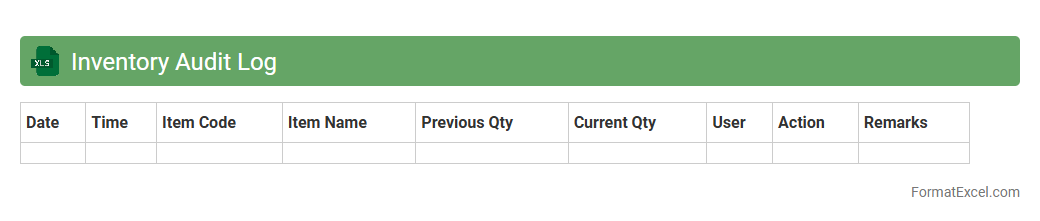
Inventory Audit Log
An
Inventory Audit Log Excel document is a detailed spreadsheet that tracks all changes made to inventory records, including additions, removals, adjustments, and discrepancies. It is useful for maintaining accurate stock levels, identifying errors or unauthorized changes, and ensuring accountability within inventory management processes. By providing a clear and organized historical record, it supports financial auditing, improves operational efficiency, and minimizes inventory shrinkage.
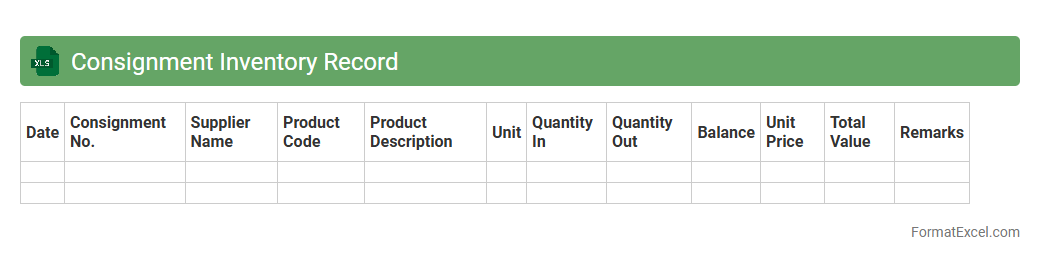
Consignment Inventory Record
A
Consignment Inventory Record Excel document systematically tracks goods held on consignment, detailing quantities, delivery dates, and inventory status. This tool enhances inventory management by providing real-time visibility into stock levels without immediate purchase, helping businesses optimize ordering and prevent overstocking. Utilizing such a record improves vendor communication and financial accuracy, streamlining the consignment process for better operational control.
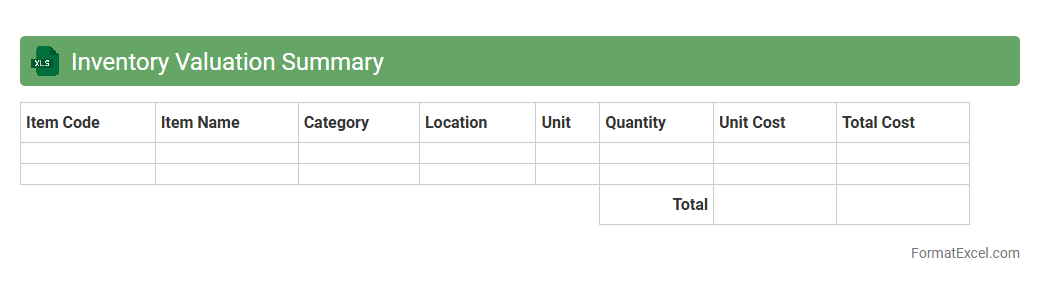
Inventory Valuation Summary
An
Inventory Valuation Summary Excel document provides a detailed overview of inventory costs, quantities, and values, enabling accurate tracking and financial reporting. It helps businesses assess the net worth of their inventory, optimize stock levels, and improve decision-making for procurement and sales strategies. This summary supports cost control and compliance with accounting standards such as FIFO, LIFO, or weighted average methods.
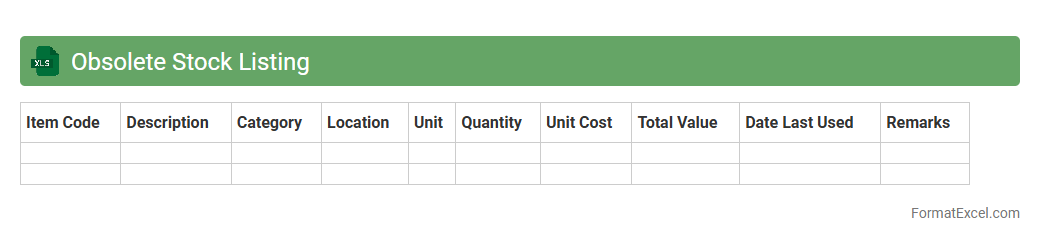
Obsolete Stock Listing
The
Obsolete Stock Listing Excel document is a comprehensive record highlighting inventory items that are no longer in demand or have become outdated. It helps businesses identify and manage slow-moving or non-saleable stock, enabling more efficient inventory control and cost reduction. By analyzing this list, companies can make informed decisions on stock liquidation, improve cash flow, and optimize warehouse space.
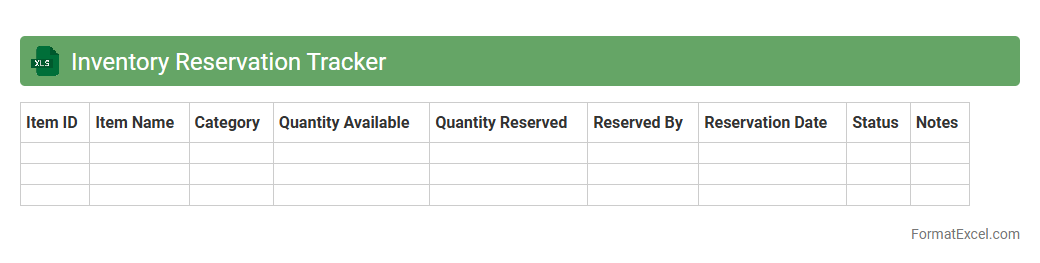
Inventory Reservation Tracker
The
Inventory Reservation Tracker Excel document is a tool designed to monitor and manage reserved stock items efficiently, ensuring real-time visibility of inventory committed to specific orders or projects. It helps prevent overbooking by accurately tracking quantities reserved versus available stock, improving supply chain coordination and reducing stockouts or excess inventory costs. This document streamlines inventory management processes, enabling better planning, reporting, and decision-making for businesses.
Backorder Tracking Log
The
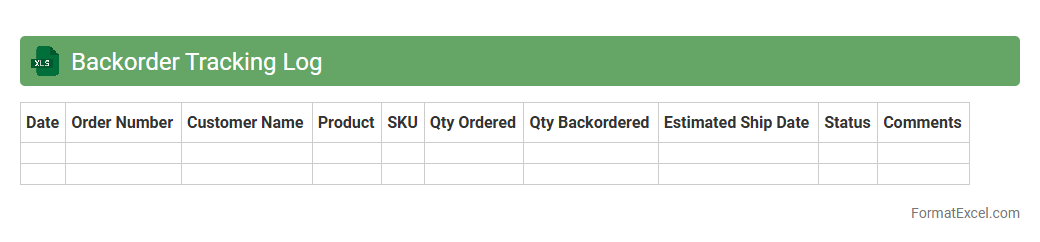
Backorder Tracking Log Excel document is a detailed spreadsheet designed to monitor and manage backordered inventory items, providing real-time visibility into outstanding orders and expected fulfillment dates. This log helps streamline supply chain operations by identifying delays, prioritizing order fulfillment, and improving customer communication. Utilizing this tool enhances inventory control, reduces stockouts, and supports proactive decision-making to maintain optimal stock levels.
Physical Count Sheet
A
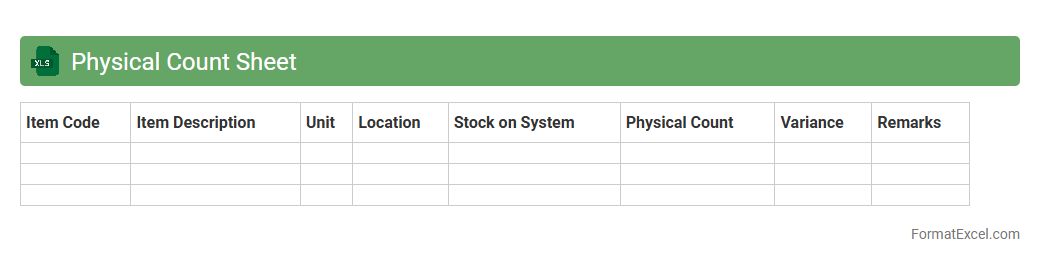
Physical Count Sheet Excel document is a structured spreadsheet used to record and verify inventory quantities during physical stocktaking. It helps eliminate discrepancies between recorded and actual inventory levels by providing a clear, organized framework for data entry and comparison. This tool enhances inventory accuracy, facilitates audit trails, and supports efficient stock management processes.
Receiving Inspection Log
The
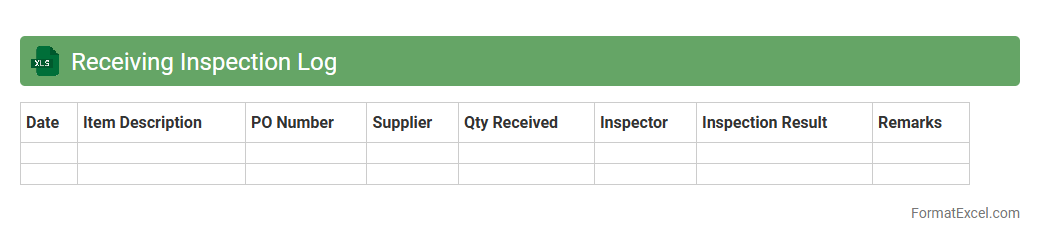
Receiving Inspection Log Excel document is a detailed record used to track and verify incoming shipments against purchase orders, ensuring product quality and quantity compliance. It helps identify discrepancies, monitor supplier performance, and maintain accurate inventory records by documenting inspection results and any issues encountered. This streamlined approach enhances accountability, reduces errors, and supports efficient inventory management in supply chain operations.
Lost Items Record
A
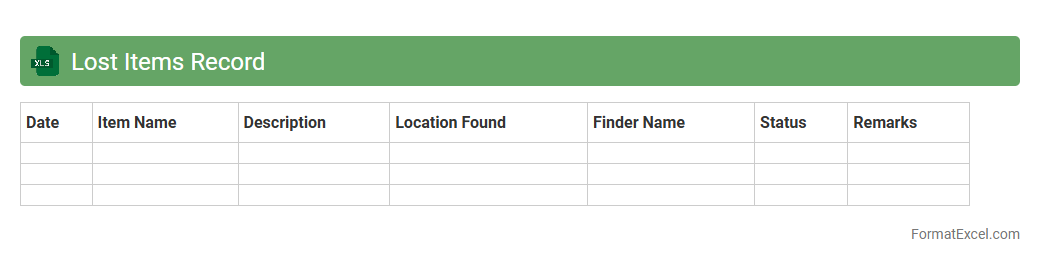
Lost Items Record Excel document is a structured spreadsheet designed to track and document items reported missing within an organization or environment. It includes fields such as item description, date lost, location, and contact details, enabling efficient monitoring and retrieval efforts. This tool enhances accountability, streamlines inventory management, and reduces loss-related costs by providing a centralized and easily accessible record of all lost items.
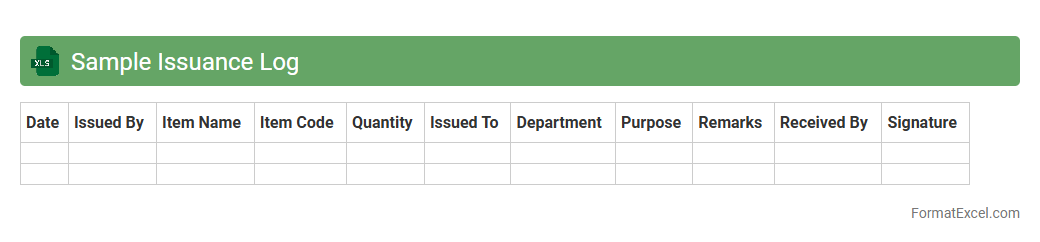
Sample Issuance Log
A
Sample Issuance Log Excel document systematically records the distribution of material samples, tracking details such as sample ID, recipient, date issued, and purpose. It enhances inventory management by providing clear visibility into sample usage and availability, reducing errors and losses. This tool streamlines accountability and ensures accurate documentation for quality control and project audits.
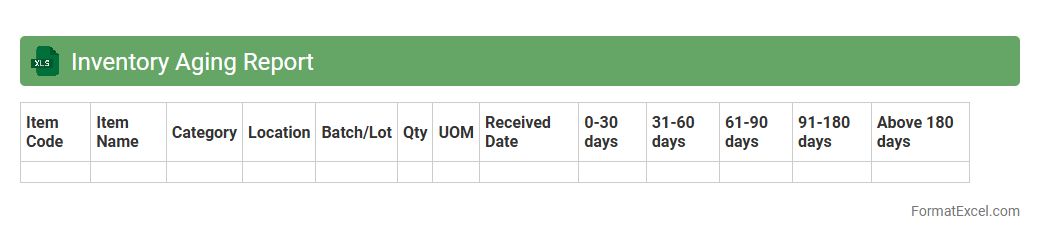
Inventory Aging Report
An
Inventory Aging Report Excel document categorizes stock items based on the length of time they have been held in inventory, helping businesses identify slow-moving or obsolete products. This report enables efficient inventory management by highlighting items that may require markdowns or disposal, optimizing cash flow and storage costs. Using it regularly supports better purchasing decisions and improves overall supply chain effectiveness.
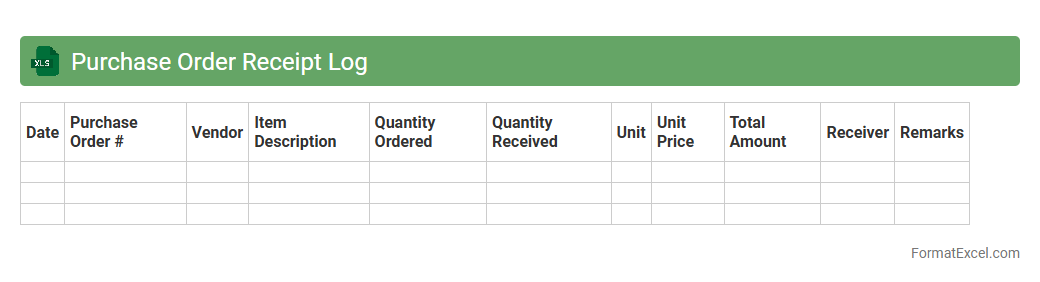
Purchase Order Receipt Log
A
Purchase Order Receipt Log Excel document is a detailed record used to track the receipt of goods and materials against purchase orders. It helps businesses monitor delivery dates, quantities received, and supplier performance, ensuring accuracy in inventory management and financial reconciliation. This log improves accountability and streamlines the auditing process by providing a clear, organized view of all purchase transactions.
Introduction to Inventory Log Formats
An Inventory Log Format is a structured way to record and track stock levels, product details, and transactions. It helps businesses maintain organized and accurate records of their inventory. Using a clear format ensures easy data entry, retrieval, and reporting.
Benefits of Using Excel for Inventory Management
Microsoft Excel offers flexibility and simplicity, making it an ideal tool for inventory management. It provides customizable templates, built-in formulas, and data visualization features to monitor stock efficiently. Excel also supports easy updates and sharing across teams.
Essential Columns for an Inventory Log
Key columns in an inventory log include Item Name, SKU, Quantity, Unit Price, and Date Updated. Including a Status or Location column can improve tracking accuracy. These fields form the backbone of detailed inventory monitoring and analysis.
Step-by-Step Guide to Creating an Inventory Log in Excel
Start by setting up column headers for all relevant inventory information. Use Excel formulas like SUM and COUNTIF to automate calculations and data validation for accuracy. Finally, format the log with filters and conditional formatting to enhance usability and clarity.
Sample Inventory Log Template Structure
A typical inventory log template contains columns such as Item ID, Description, Quantity in Stock, Reorder Level, Supplier, and Last Restocked Date. This structured approach helps ensure no critical data points are missed. Templates can be adapted to suit various inventory needs and scales.
Customizing Inventory Logs for Different Businesses
Inventory logs should be customized based on business type, such as retail, manufacturing, or healthcare. Adding specialized columns like Serial Number or Batch Number enhances traceability. Tailored logs improve inventory control and reporting accuracy.
Best Practices for Maintaining Accurate Inventory in Excel
Regularly update your inventory log to reflect real-time stock changes and conduct periodic audits. Use data validation and protect sheets to reduce errors and unauthorized changes. Maintaining consistency ensures the accuracy and reliability of your inventory data.
Integrating Excel Inventory Logs with Other Tools
Excel logs can be linked with accounting software, barcode scanners, or ERP systems for enhanced inventory management. Integration automates data transfers and reduces manual entry errors. This creates a seamless workflow from inventory tracking to financial reporting.
Common Mistakes to Avoid in Excel Inventory Logs
Avoid neglecting to back up your inventory files or ignoring discrepancies during stock counts. Not using data validation or locking cells can lead to errors. Regular review and maintenance prevent these common pitfalls.
Downloadable Excel Inventory Log Templates
Readily available downloadable templates provide a quick start with pre-designed inventory structures. Choose templates that fit your business needs and modify them to include your unique inventory metrics. These resources save time and ensure a professional inventory tracking system.