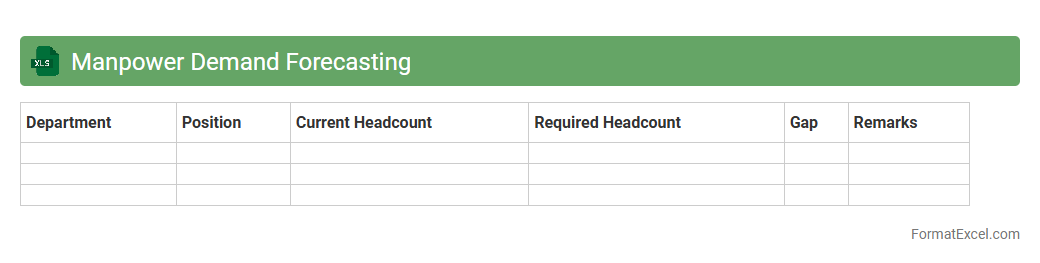
Manpower Demand Forecasting
Manpower Demand Forecasting excel document is a strategic tool designed to predict future workforce requirements by analyzing historical data and business growth patterns. This
forecasting model helps organizations optimize recruitment, reduce labor costs, and ensure they have the right number of employees with appropriate skills at the right time. By providing accurate demand projections, it enables better resource allocation, improves workforce planning, and supports informed decision-making.
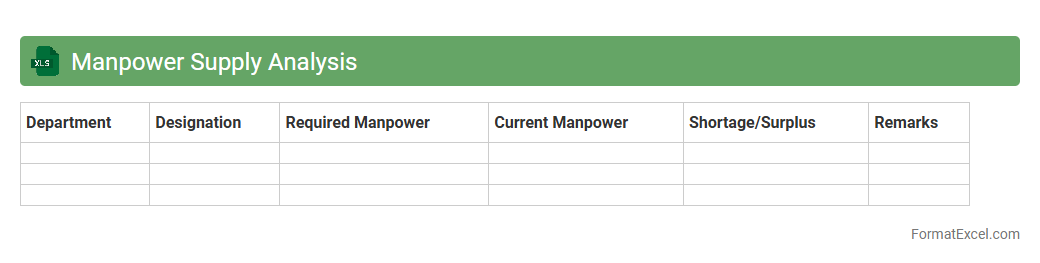
Manpower Supply Analysis
The
Manpower Supply Analysis Excel document systematically tracks workforce availability, skills distribution, and staffing requirements across departments. It provides data-driven insights that help identify talent gaps, forecast recruitment needs, and optimize resource allocation. Using this tool enhances strategic workforce planning and improves organizational productivity.
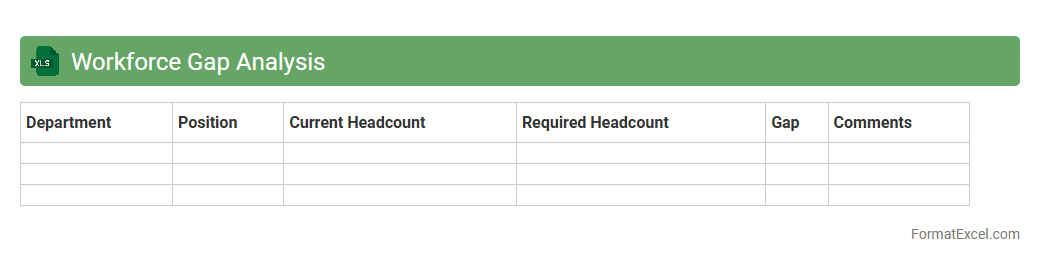
Workforce Gap Analysis
A
Workforce Gap Analysis Excel document is a structured tool used to identify discrepancies between current workforce skills and those required for future business goals. It helps organizations pinpoint skill shortages, plan recruitment strategies, and allocate training resources efficiently. Utilizing this document enables data-driven decision-making to ensure a well-prepared and capable workforce aligned with company objectives.
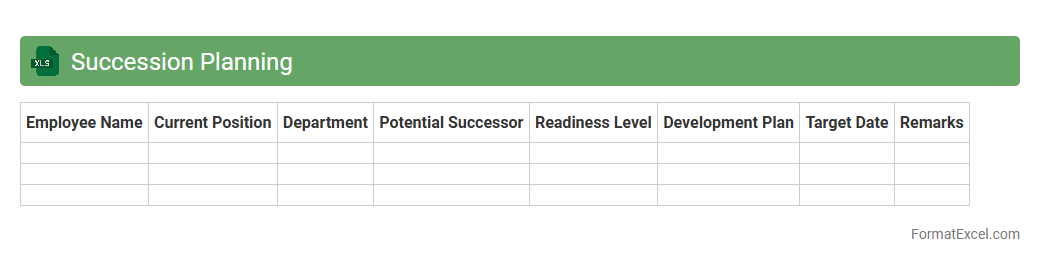
Succession Planning
A
Succession Planning Excel document is a structured spreadsheet used to identify and develop internal talent for future key roles within an organization. It allows tracking of employee skills, readiness levels, and potential successors for critical positions, enabling proactive workforce planning. Utilizing this tool enhances leadership continuity, reduces recruitment time, and supports strategic human resource management.
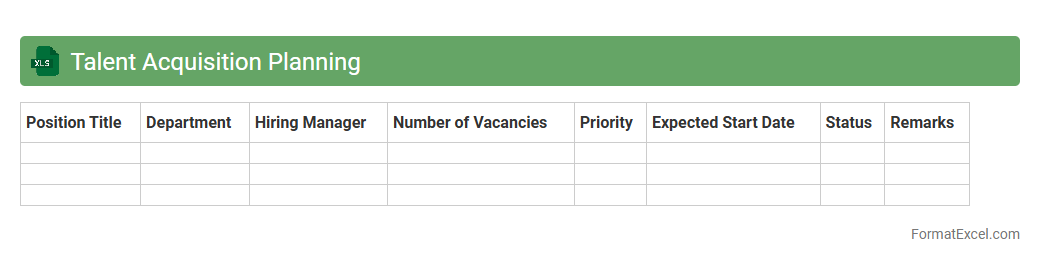
Talent Acquisition Planning
Talent Acquisition Planning Excel document is a strategic tool designed to streamline the recruitment process by organizing candidate information, tracking hiring timelines, and forecasting workforce needs. This document enables HR teams to allocate resources efficiently, set clear hiring goals, and monitor progress against recruitment targets in real-time. Utilizing a
Talent Acquisition Planning Excel sheet enhances decision-making by providing data-driven insights that improve talent sourcing and onboarding strategies.
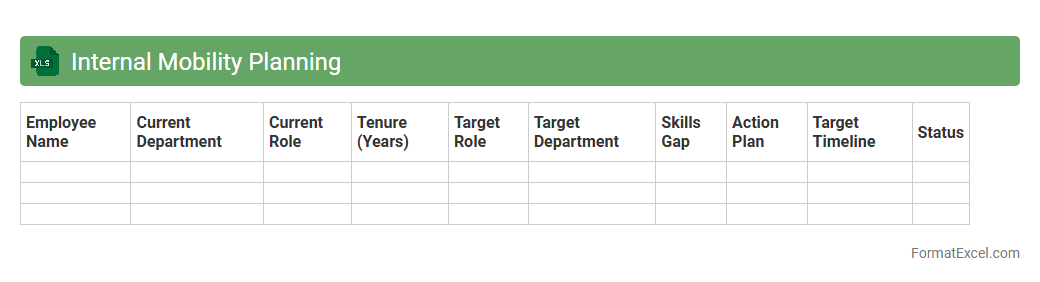
Internal Mobility Planning
The
Internal Mobility Planning Excel document is a strategic tool designed to track and manage employee transitions within an organization, such as promotions, lateral moves, and role changes. It helps HR teams identify skill gaps, succession plans, and career development opportunities by providing a clear visual overview of workforce capabilities and potential. By streamlining internal mobility processes, this document enhances talent retention, boosts employee engagement, and aligns workforce planning with organizational goals.
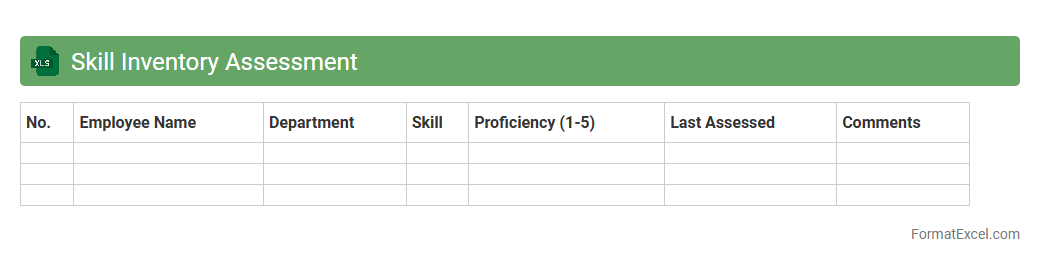
Skill Inventory Assessment
A
Skill Inventory Assessment Excel document is a structured tool for tracking and evaluating employee skills within an organization. It enables managers to identify skill gaps, plan targeted training programs, and optimize workforce allocation for projects. By consolidating skill data systematically, this document enhances decision-making and fosters strategic talent development.
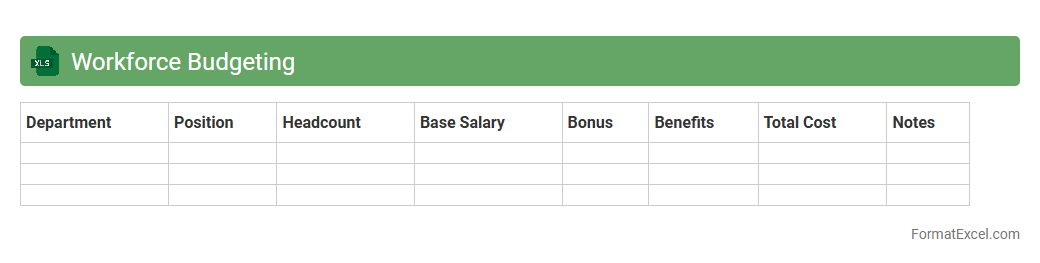
Workforce Budgeting
The
Workforce Budgeting Excel document is a structured tool designed to plan, allocate, and monitor employee-related expenses effectively within an organization. It enables precise forecasting of labor costs, including salaries, benefits, and overtime, facilitating better financial control and resource management. Using this document helps businesses maintain alignment between workforce capacity and budget constraints, enhancing decision-making and operational efficiency.
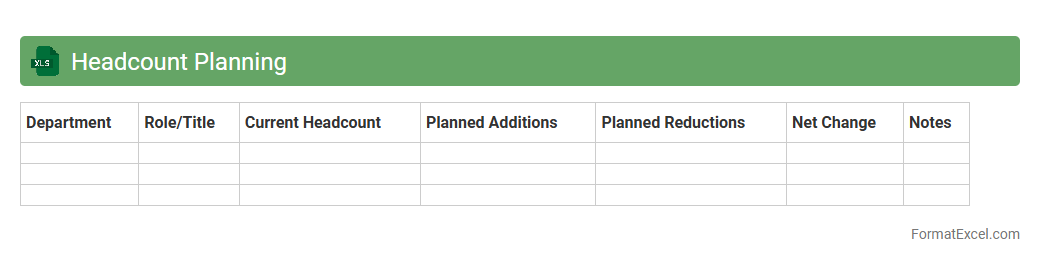
Headcount Planning
A
Headcount Planning Excel document is a structured spreadsheet used to forecast and manage the number of employees required within an organization over a specific period. It helps track current workforce data, predict hiring needs, and align staffing levels with business goals to optimize labor costs and productivity. This tool is essential for budgeting, resource allocation, and strategic human resource planning.
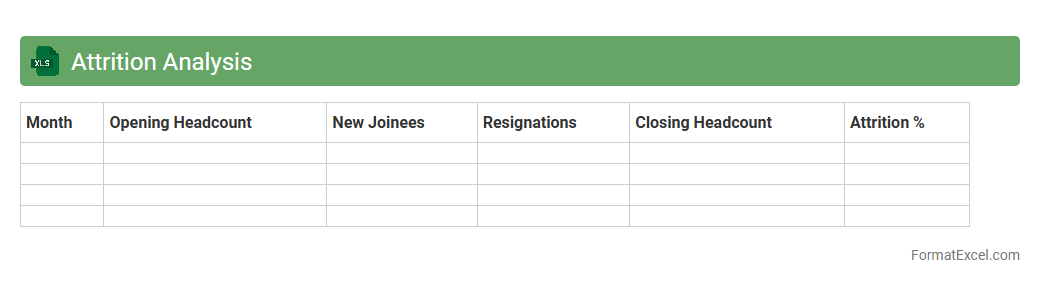
Attrition Analysis
Attrition Analysis Excel document is a powerful tool designed to track and analyze employee turnover rates by organizing data such as hire dates, termination dates, and reasons for leaving. It helps HR teams identify patterns and trends in workforce attrition, enabling data-driven decisions to improve retention strategies. Using this document effectively reduces recruitment costs and enhances overall employee satisfaction by addressing key factors causing attrition.
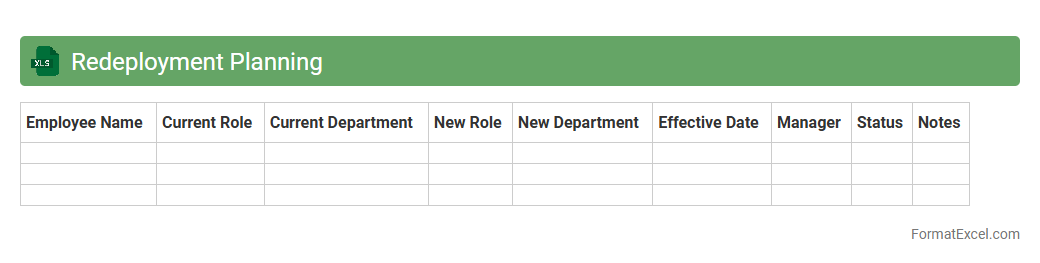
Redeployment Planning
Redeployment Planning Excel document is a structured tool designed to efficiently manage the reassignment of resources, particularly employees or assets, within an organization. It helps track availability, skills, and potential new roles, enabling strategic alignment of workforce or resources with current business needs. Using this
redeployment planning tool enhances operational agility, minimizes downtime, and supports effective workforce utilization for better productivity.
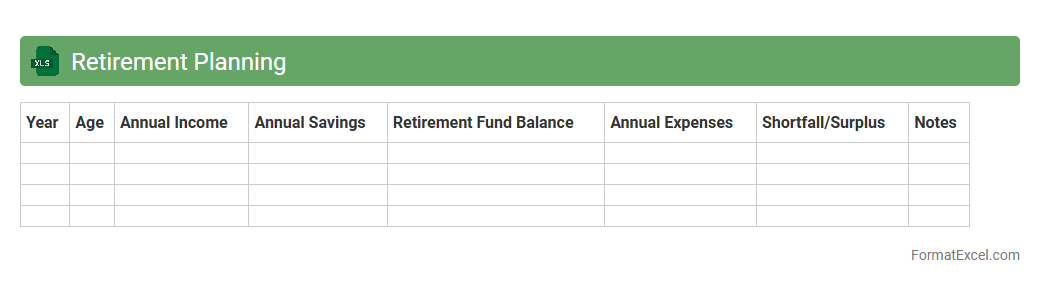
Retirement Planning
A
Retirement Planning Excel document is a spreadsheet tool designed to help individuals calculate and manage their retirement savings, expenses, and income projections. It allows users to input variables such as current savings, contribution rates, expected returns, and retirement age to forecast financial readiness. This document is useful for creating a clear, organized plan that ensures long-term financial security by identifying potential shortfalls and adjusting strategies accordingly.
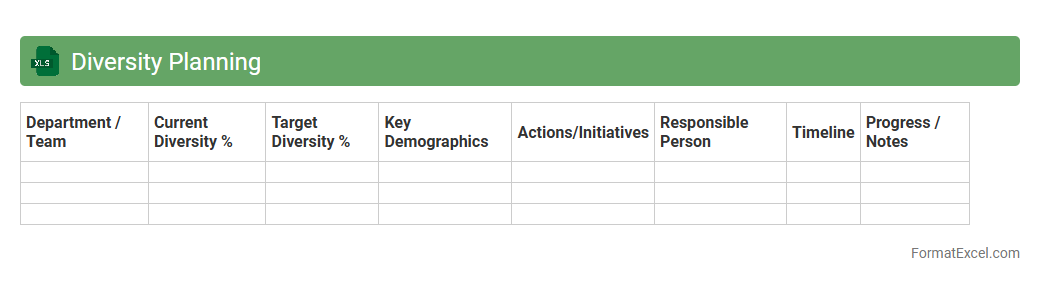
Diversity Planning
A
Diversity Planning Excel document is a strategic tool designed to help organizations track, analyze, and enhance workplace diversity by compiling data on employee demographics, recruitment outcomes, and inclusion initiatives. It enables HR professionals and management to identify gaps, set measurable diversity goals, and monitor progress over time through customizable charts and reports. Utilizing this document fosters informed decision-making, promotes equitable hiring practices, and supports a more inclusive organizational culture.
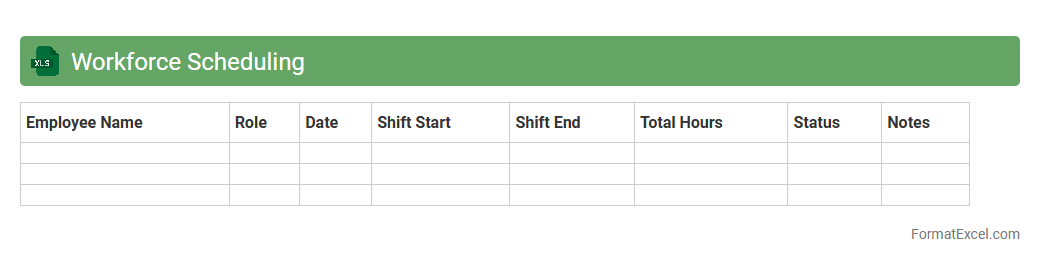
Workforce Scheduling
A
Workforce Scheduling Excel document is a tool designed to organize employee shifts, track work hours, and manage staffing needs efficiently. It helps businesses optimize labor resources, reduce scheduling conflicts, and ensure compliance with labor laws. By providing clear visibility into workforce availability and work patterns, this document enhances productivity and supports better decision-making.
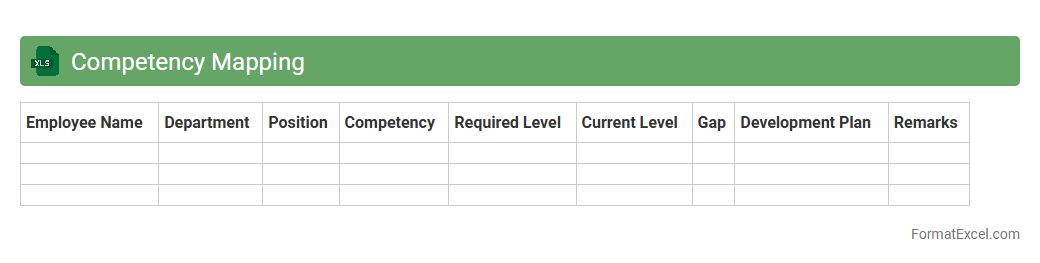
Competency Mapping
A
Competency Mapping Excel document systematically organizes skills, behaviors, and knowledge required for specific job roles, facilitating clear identification of employee strengths and gaps. This tool enables HR professionals and managers to efficiently assess competencies, plan targeted training, and align workforce capabilities with organizational goals. Utilizing such a document enhances talent development processes and supports strategic decision-making through data-driven insights.
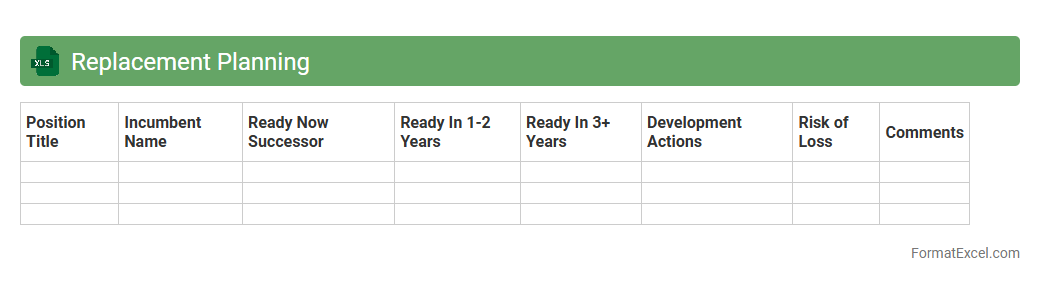
Replacement Planning
A
Replacement Planning Excel document is a structured spreadsheet used to track and schedule the timely replacement of assets, equipment, or personnel. It helps organizations optimize resource management by forecasting replacement needs, budgeting accurately, and minimizing downtime or operational disruptions. This tool enhances decision-making and ensures continuity through strategic planning based on historical data and projected timelines.
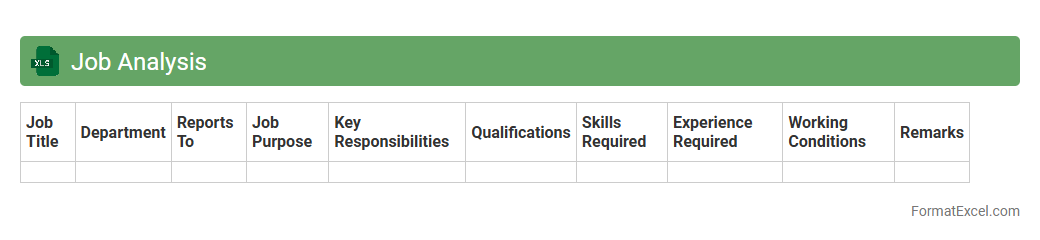
Job Analysis
A
Job Analysis Excel document systematically breaks down job roles into key components such as tasks, skills, responsibilities, and qualifications. It serves as a powerful tool for HR professionals to design job descriptions, set performance standards, and identify training needs efficiently. Using this document enhances workforce planning, recruitment accuracy, and organizational productivity by aligning employee capabilities with job requirements.
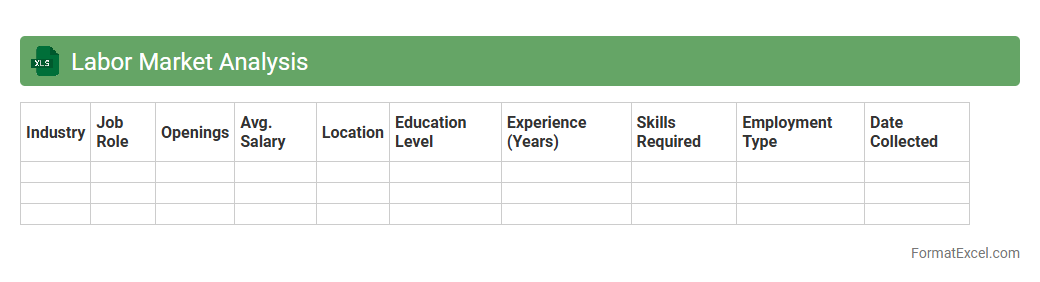
Labor Market Analysis
A
Labor Market Analysis Excel document provides a structured framework to evaluate employment trends, wage data, and skill demand within specific industries or regions. It enables businesses, policymakers, and job seekers to make informed decisions by analyzing key labor market indicators such as unemployment rates, workforce demographics, and job vacancy statistics. Using this data-driven approach helps optimize recruitment strategies, align training programs with market needs, and anticipate economic shifts effectively.
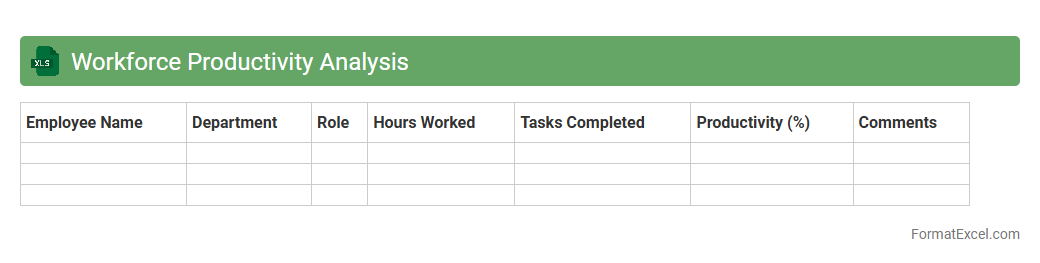
Workforce Productivity Analysis
Workforce Productivity Analysis is an
Excel document designed to measure and evaluate employee performance and operational efficiency through data-driven insights. It consolidates key metrics such as hours worked, output levels, and task completion rates to identify trends, bottlenecks, and areas for improvement. This tool helps organizations optimize resource allocation, enhance workforce management, and drive strategic decisions to boost overall productivity.
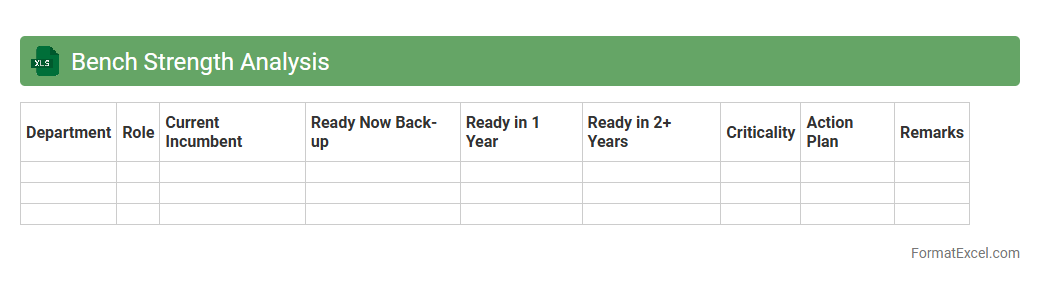
Bench Strength Analysis
A
Bench Strength Analysis Excel document evaluates an organization's talent pool by assessing employees' skills, experience, and readiness to fill key roles. This analysis helps identify potential leadership gaps, plan succession, and develop targeted training programs to enhance workforce capabilities. Utilizing this tool enables strategic workforce planning and ensures business continuity by maintaining a strong pipeline of qualified candidates.
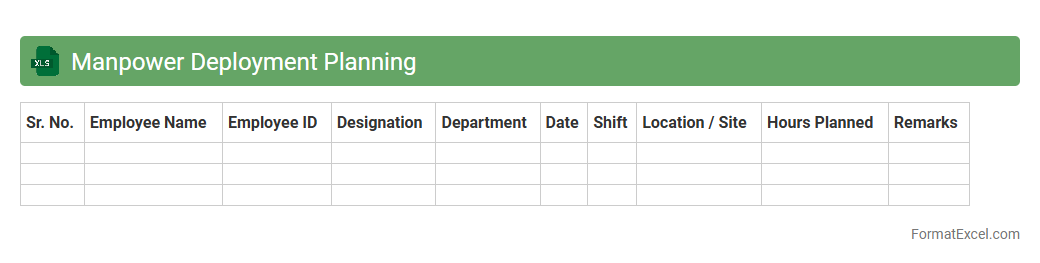
Manpower Deployment Planning
The
Manpower Deployment Planning Excel document is a strategic tool designed to efficiently allocate human resources across various projects or departments. It helps organizations forecast staffing needs, track employee availability, and optimize workforce utilization to meet operational goals. By providing clear visibility into manpower distribution, this document supports better decision-making, reduces staffing shortages, and improves overall productivity.
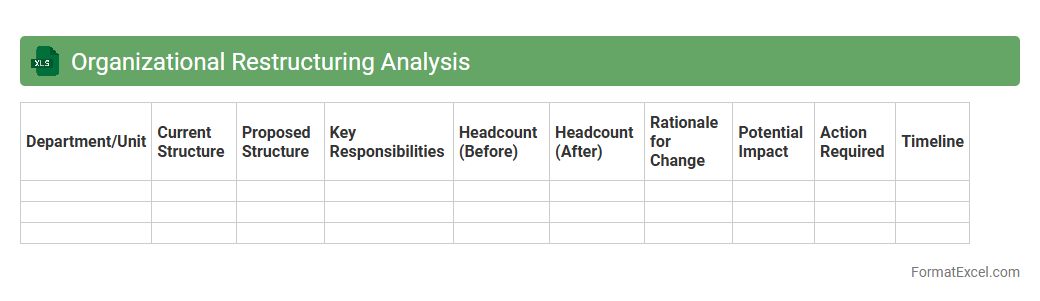
Organizational Restructuring Analysis
The
Organizational Restructuring Analysis Excel document is a strategic tool designed to evaluate and optimize company structures by mapping roles, responsibilities, and reporting lines. It allows businesses to identify inefficiencies, streamline workflows, and forecast the impact of structural changes on productivity and costs. Using this analysis, organizations can make data-driven decisions that enhance operational efficiency and support long-term growth goals.
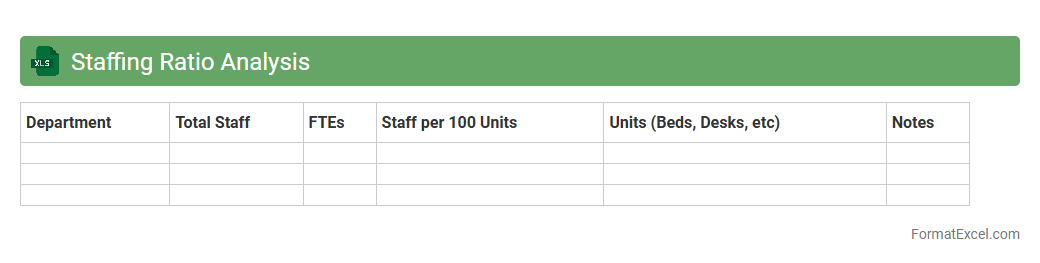
Staffing Ratio Analysis
Staffing Ratio Analysis Excel document is a powerful tool designed to evaluate the relationship between the number of employees and the volume of work or output within an organization. By tracking key workforce metrics and comparing staff levels to operational demands, this analysis helps identify optimal staffing requirements, ensuring efficiency and cost-effectiveness. Utilizing
Staffing Ratio Analysis supports informed decision-making in workforce planning, helping businesses maintain productivity while controlling labor costs.
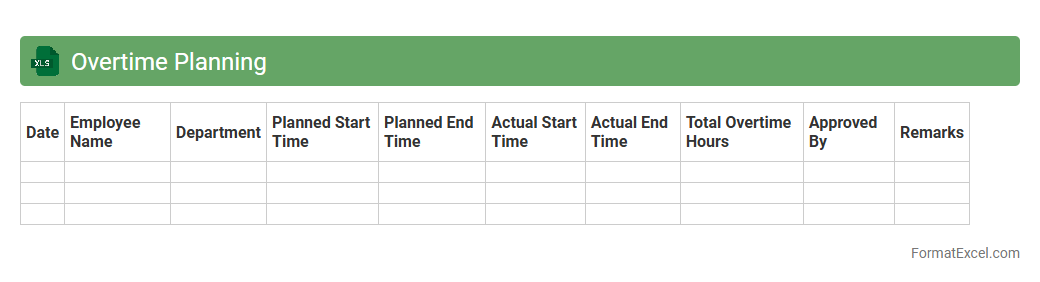
Overtime Planning
The
Overtime Planning Excel document is a tool designed to efficiently schedule and track employee overtime hours, ensuring compliance with labor regulations and budget constraints. It provides a clear overview of planned extra work, allowing managers to optimize workforce allocation and control labor costs effectively. By centralizing overtime data, this document enhances transparency, decision-making, and resource management within an organization.
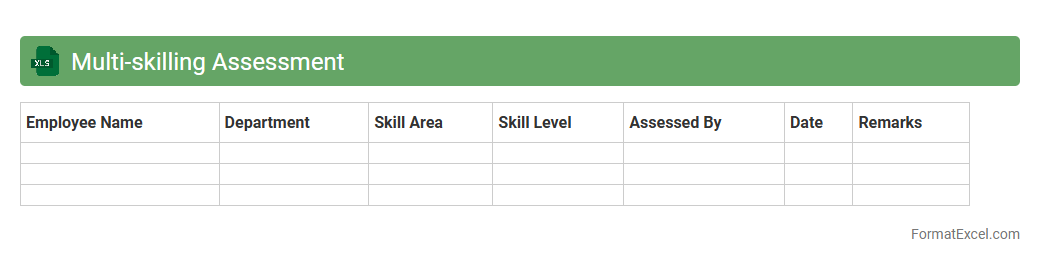
Multi-skilling Assessment
The
Multi-skilling Assessment Excel document is a comprehensive tool designed to evaluate an individual's proficiency across various skill sets within an organization. This document enables managers to track employee capabilities, identify skill gaps, and plan targeted training programs efficiently. By consolidating skill data in a structured format, it supports workforce development and optimizes resource allocation.
Introduction to Manpower Planning
Manpower planning is the process of forecasting an organization's future human resource needs based on business goals. It ensures that the right number of employees with the right skills are available at the right time. This systematic approach is essential for effective workforce management.
Importance of Manpower Planning in Organizations
Manpower planning helps organizations avoid workforce shortages and surpluses, improving productivity and reducing costs. It supports strategic decision-making by aligning human resources with organizational objectives. Efficient planning also boosts employee satisfaction through better role allocation.
Key Components of a Manpower Planning Format
A comprehensive manpower planning format includes components such as employee details, job roles, skill requirements, and recruitment timelines. It also tracks current staffing levels and future personnel needs. These elements help in creating a clear and actionable workforce plan.
Benefits of Using Excel for Manpower Planning
Excel offers flexibility, easy data management, and built-in functions for effective manpower planning. The platform supports customization, allowing organizations to tailor plans according to specific needs. Additionally, Excel's visualization tools enable clear representation of workforce data.
Step-by-Step Guide to Creating a Manpower Planning Excel Sheet
Start by setting up columns for employee information, roles, and status, then input current workforce data. Next, project future staffing needs based on business forecasts and identify gaps. Finally, use formulas and charts to analyze and visualize manpower requirements effectively.
Essential Columns in a Manpower Planning Excel Template
Key columns include Employee Name, Position, Department, Current Headcount, Required Headcount, Skill Level, and Recruitment Status. These fields provide a detailed overview of staffing and vacancy status. Such organization helps in tracking workforce changes accurately.
Sample Manpower Planning Format in Excel (Downloadable Template)
A sample template typically features pre-filled headers, formulas for gap analysis, and pivot tables for data summarization. It acts as a ready-to-use tool for planners to input and analyze workforce data efficiently. Users can customize this template to match their specific organizational needs.
Tips for Effective Manpower Data Management in Excel
Maintain data accuracy by regularly updating employee information and validating inputs. Use Excel features like conditional formatting and data validation to minimize errors. Consistent data management ensures reliable manpower planning outcomes.
Common Mistakes to Avoid in Manpower Planning Excel Sheets
Avoid errors such as incomplete data entry, neglecting future business changes, and ignoring skill gaps. Overlooking these aspects can lead to inaccurate forecasts and staffing issues. Regular audits and updates help prevent these common pitfalls.
Best Practices for Updating and Maintaining Manpower Plans in Excel
Regularly review and update the planning sheet to reflect organizational changes and workforce dynamics. Incorporate feedback from HR and department heads to improve accuracy. Consistent maintenance ensures the manpower plan remains relevant and actionable.