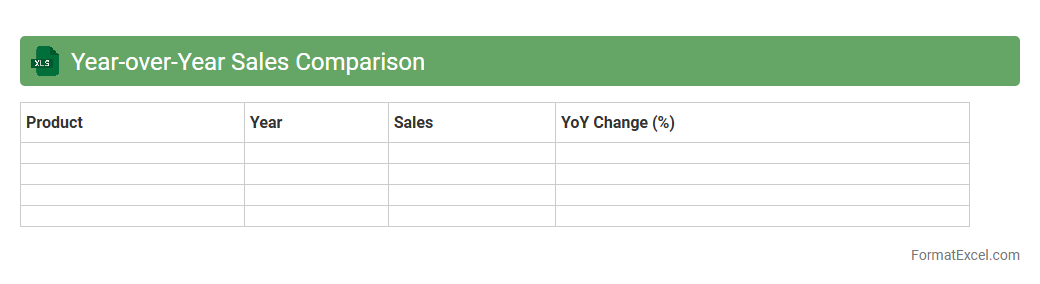
Year-over-Year Sales Comparison
A
Year-over-Year Sales Comparison Excel document tracks and compares sales data from one year to the same period in a previous year, highlighting growth trends and patterns. This tool helps businesses identify seasonal variations, measure performance against targets, and make data-driven decisions to optimize marketing and sales strategies. By visually presenting key metrics and percentage changes, it simplifies the analysis of sales effectiveness over time.
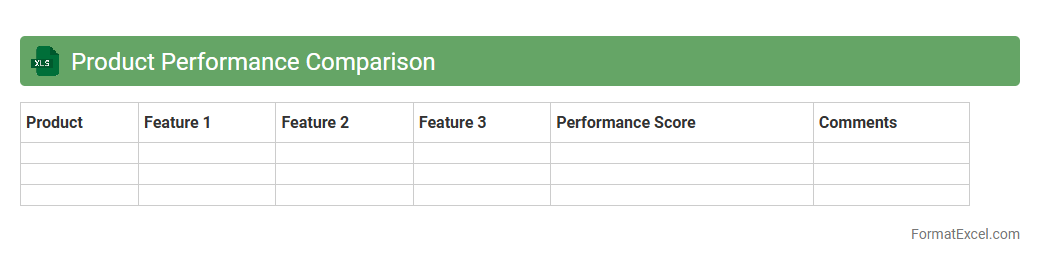
Product Performance Comparison
A
Product Performance Comparison Excel document is a detailed spreadsheet used to analyze and evaluate key metrics of various products side by side, including sales figures, customer ratings, and return rates. It helps businesses identify top-performing products, spot trends, and make data-driven decisions to optimize inventory, marketing strategies, and product development. By consolidating critical performance data in one place, this tool improves efficiency, supports competitive analysis, and enhances overall strategic planning.
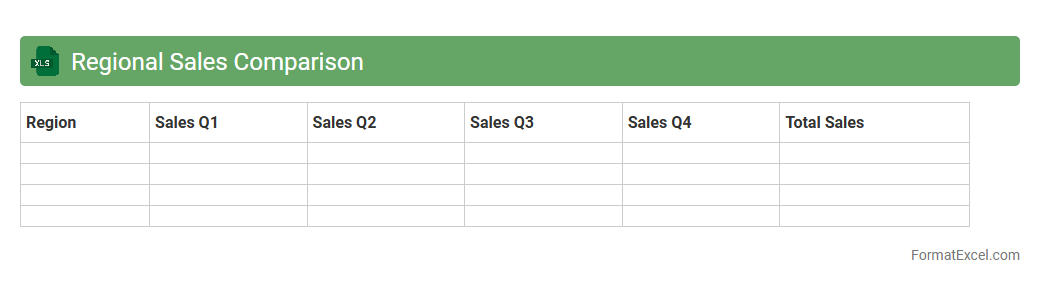
Regional Sales Comparison
The
Regional Sales Comparison Excel document is a comprehensive tool designed to analyze and compare sales performance across different geographical regions. It enables businesses to identify trends, spot opportunities for growth, and allocate resources effectively by visualizing regional sales data with charts, tables, and pivot reports. This document is invaluable for making data-driven decisions, improving market strategies, and optimizing overall sales efforts.
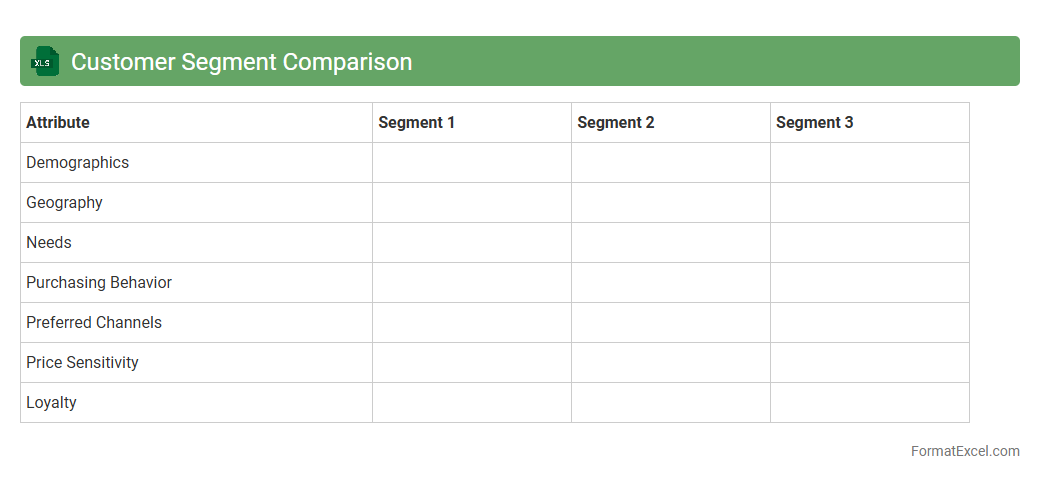
Customer Segment Comparison
The
Customer Segment Comparison Excel document organizes and analyzes data across different customer groups to highlight purchasing behaviors, preferences, and demographics. This tool enables businesses to identify profitable segments, tailor marketing strategies, and optimize product offerings based on comparative insights. Using this document supports data-driven decisions, improving customer targeting and maximizing revenue opportunities.
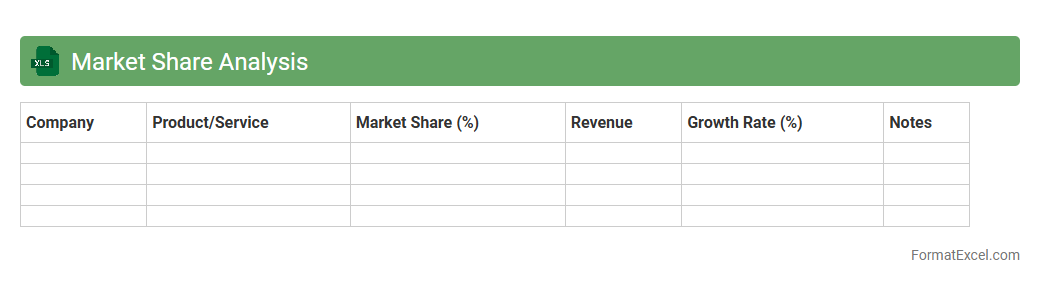
Market Share Analysis
A
Market Share Analysis Excel document is a powerful tool designed to track and compare the market shares of companies within a specific industry over time. It helps businesses identify their competitive position, measure growth rates, and pinpoint market trends by organizing data into clear, visual formats such as charts and tables. Utilizing this analysis supports strategic decision-making, allowing companies to optimize marketing efforts and improve overall market performance.
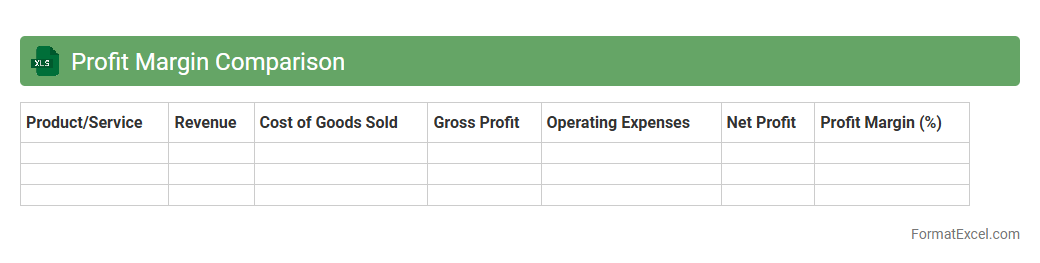
Profit Margin Comparison
A
Profit Margin Comparison Excel document systematically analyzes and contrasts profit margins across different products, services, or time periods, enabling businesses to pinpoint high-performing areas and identify cost inefficiencies. It provides clear visualizations and data layouts that aid in making informed financial decisions to improve overall profitability. By tracking variations in profit margins, organizations can optimize pricing strategies and resource allocation for sustainable growth.
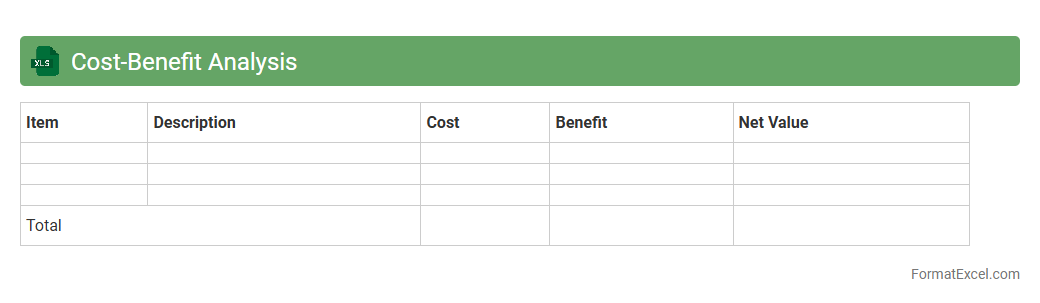
Cost-Benefit Analysis
A
Cost-Benefit Analysis Excel document is a structured spreadsheet that helps quantify and compare the financial pros and cons of a project or decision. It organizes costs, benefits, and net outcomes into clear categories, allowing users to make data-driven choices by visually assessing potential returns against expenditures. This tool is essential for businesses and individuals aiming to optimize resource allocation and maximize value in investments or projects.
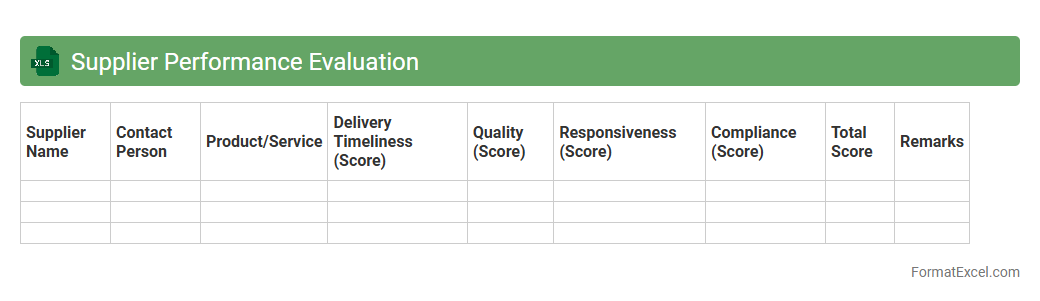
Supplier Performance Evaluation
A
Supplier Performance Evaluation Excel document is a tool used to systematically assess and monitor the efficiency, quality, and reliability of suppliers. It collects data on key performance indicators such as delivery timeliness, product quality, and cost compliance, enabling businesses to make informed decisions. This document helps enhance supply chain management by identifying strengths and areas for improvement, ultimately reducing risks and boosting overall procurement effectiveness.
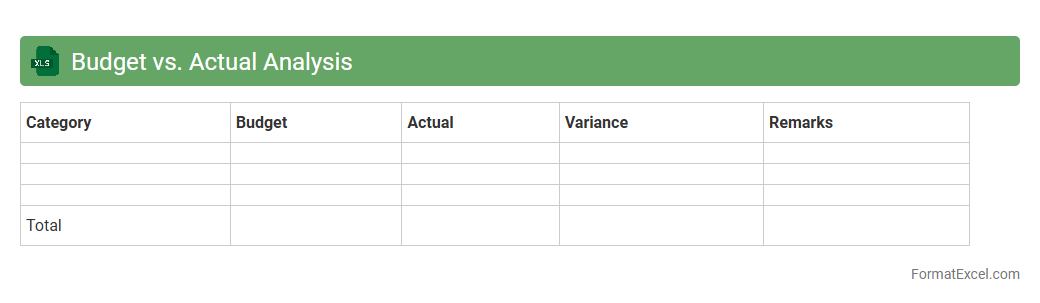
Budget vs. Actual Analysis
A
Budget vs. Actual Analysis Excel document compares planned financial targets with real-world results to identify variances in revenue, costs, or profits. It helps businesses monitor financial performance, control expenses, and make informed decisions by highlighting discrepancies between budgeted and actual figures. Using this tool enhances financial accountability and supports strategic adjustments to improve overall fiscal management.
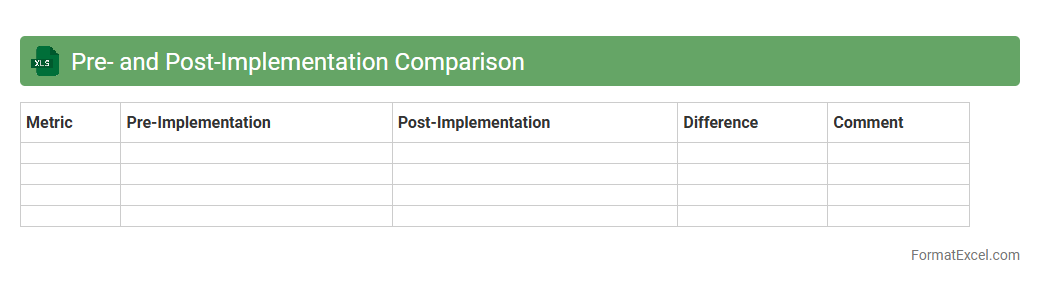
Pre- and Post-Implementation Comparison
A
Pre- and Post-Implementation Comparison Excel document systematically tracks and analyzes key performance indicators (KPIs) before and after a project or system deployment, highlighting areas of improvement or concern. This tool enables stakeholders to measure the effectiveness of changes, supporting data-driven decision-making and identifying specific impacts on business processes. By facilitating clear visualization and comparison of metrics, it ensures transparency and accountability throughout the implementation lifecycle.
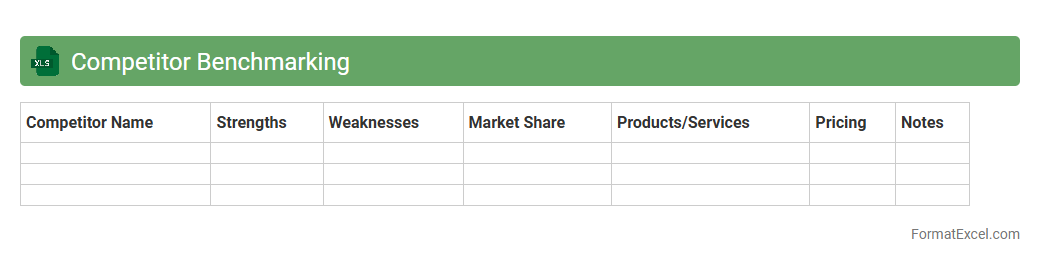
Competitor Benchmarking
A
Competitor Benchmarking Excel document is a structured spreadsheet tool used to compare key performance metrics, strategies, and features of competing businesses within the same industry. It helps organizations identify strengths, weaknesses, and market positioning by systematically analyzing competitors' data. This insight supports informed decision-making, strategic planning, and performance improvement to gain a competitive edge.
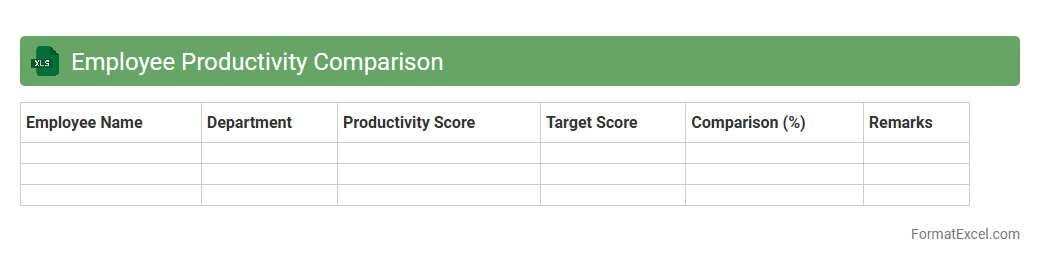
Employee Productivity Comparison
An
Employee Productivity Comparison Excel document is a tool designed to track, analyze, and compare the performance metrics of employees across various tasks or time periods. It helps identify high performers, pinpoint areas needing improvement, and supports data-driven decision-making in workforce management. By visualizing productivity trends and benchmarking employee output, it enhances resource allocation and boosts overall organizational efficiency.
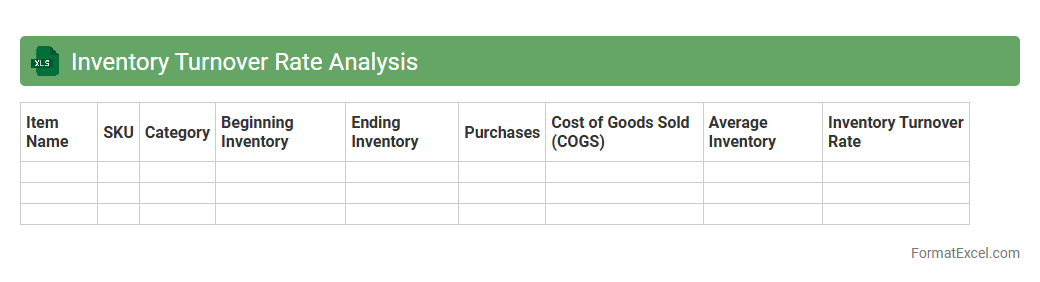
Inventory Turnover Rate Analysis
Inventory Turnover Rate Analysis Excel document tracks how often a company's inventory is sold and replaced over a specific period, providing critical insights into stock management efficiency. This analysis helps businesses identify slow-moving products, optimize reorder points, and enhance cash flow by reducing excess inventory. Using
Inventory Turnover Rate Analysis in Excel enables data-driven decisions that improve operational efficiency and profitability.
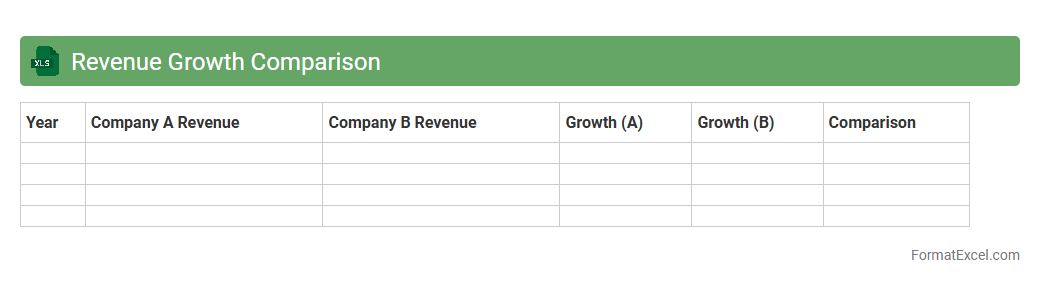
Revenue Growth Comparison
The
Revenue Growth Comparison Excel document tracks and analyzes revenue performance across different time periods, products, or business units, enabling clear visibility into growth trends. It helps identify which areas are driving sales increases or experiencing declines, supporting data-driven decision-making and strategic planning. By consolidating revenue data in one place, this document simplifies complex financial analysis and enhances forecasting accuracy.
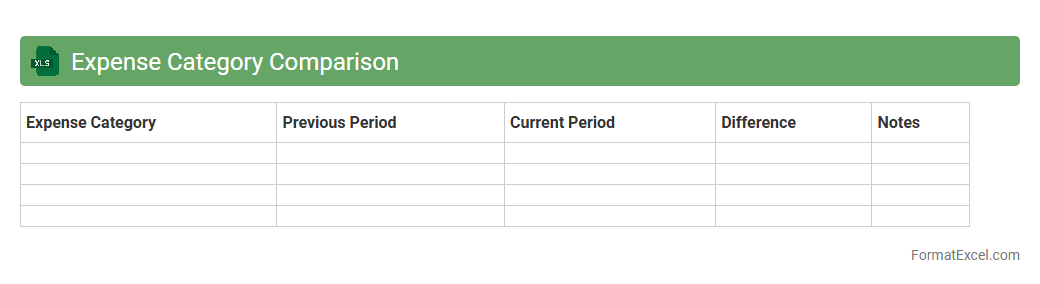
Expense Category Comparison
The
Expense Category Comparison Excel document organizes and analyzes spending across various categories, enabling clear visualization of where funds are allocated. It helps identify trends, monitor budget adherence, and uncover areas for cost reduction, improving overall financial management. By comparing expenses over time or between departments, businesses can make data-driven decisions and optimize resource allocation.
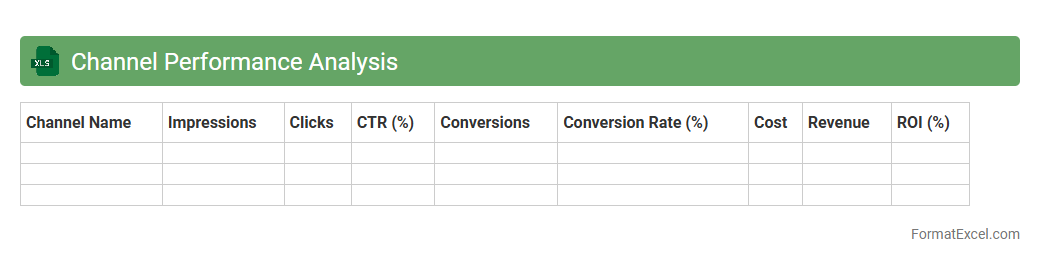
Channel Performance Analysis
The
Channel Performance Analysis Excel document compiles data on various marketing or sales channels to measure their effectiveness and ROI. It helps identify high-performing channels and areas needing improvement by tracking metrics such as conversion rates, customer acquisition costs, and revenue generated per channel. This analysis enables data-driven decisions, optimizing resource allocation to maximize overall business growth.
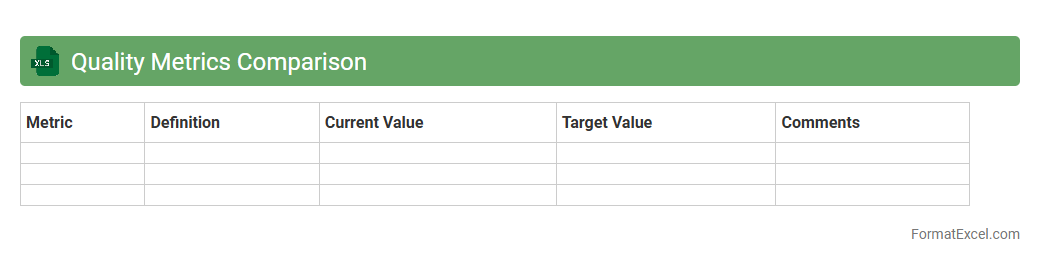
Quality Metrics Comparison
The
Quality Metrics Comparison Excel document is a structured tool designed to evaluate and analyze various quality performance indicators across different products, processes, or time periods. It enables organizations to identify trends, measure improvements, and pinpoint areas needing attention by consolidating data such as defect rates, customer satisfaction scores, and production efficiency. Utilizing this document supports data-driven decision-making, enhances quality control strategies, and drives continuous improvement initiatives.
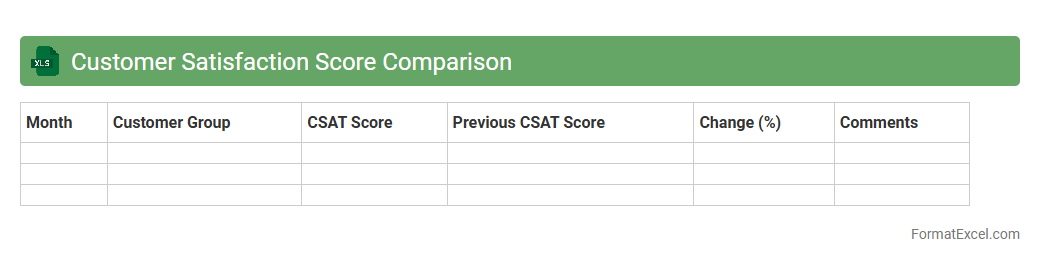
Customer Satisfaction Score Comparison
The
Customer Satisfaction Score Comparison Excel document is a tool designed to track, analyze, and compare customer satisfaction metrics across different time periods or business units. It helps identify trends, strengths, and areas needing improvement by visually presenting satisfaction scores, enabling data-driven decision-making. This document enhances customer experience strategies by providing clear insights into performance, ultimately driving higher retention and loyalty.
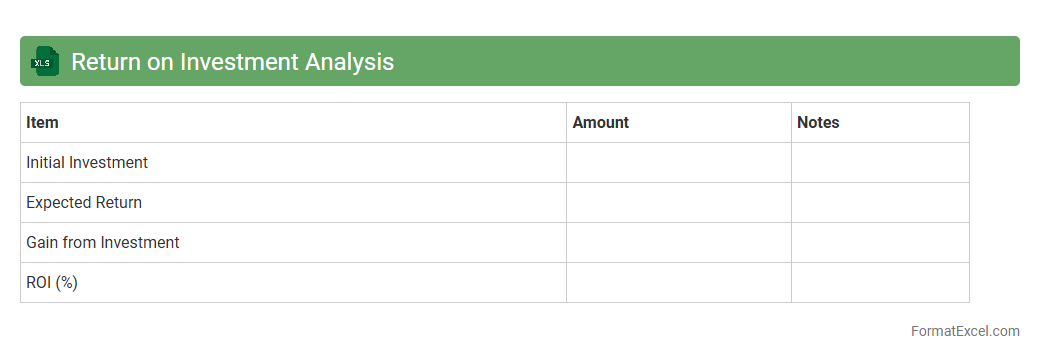
Return on Investment Analysis
A
Return on Investment (ROI) Analysis Excel document is a tool designed to calculate and evaluate the profitability of investments by comparing the net benefits to the initial costs. It helps businesses and individuals make informed decisions by providing clear insights into the efficiency and potential returns of various projects or investments. By using this Excel document, users can easily input data, visualize financial outcomes, and identify the most lucrative opportunities for resource allocation.
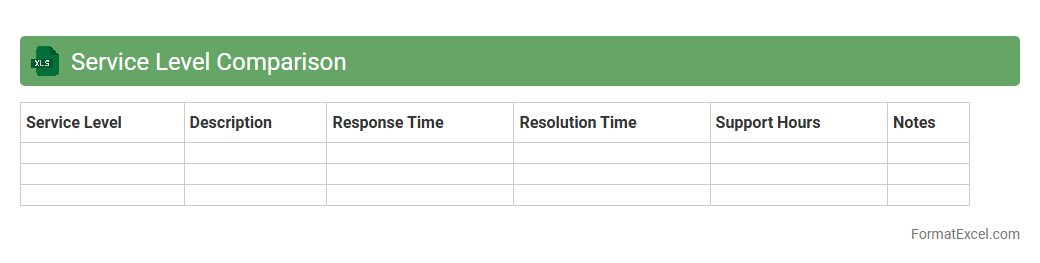
Service Level Comparison
A
Service Level Comparison Excel document is a structured tool designed to evaluate and contrast the performance metrics of various service providers or internal departments against predefined service level agreements (SLAs). It enables organizations to identify gaps, monitor compliance, and make data-driven decisions to enhance service quality. By clearly presenting comparative data, this document aids in optimizing resource allocation and improving customer satisfaction.
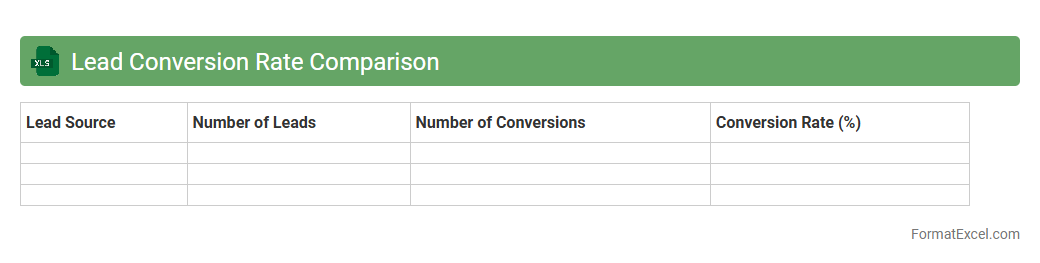
Lead Conversion Rate Comparison
The
Lead Conversion Rate Comparison Excel document tracks and analyzes the percentage of leads that successfully turn into customers across various campaigns or time periods. This tool helps businesses identify which marketing channels or strategies yield the highest conversion rates, enabling data-driven decision making. By comparing conversion rates, companies can optimize their sales funnel, improve lead qualification, and increase overall revenue efficiency.
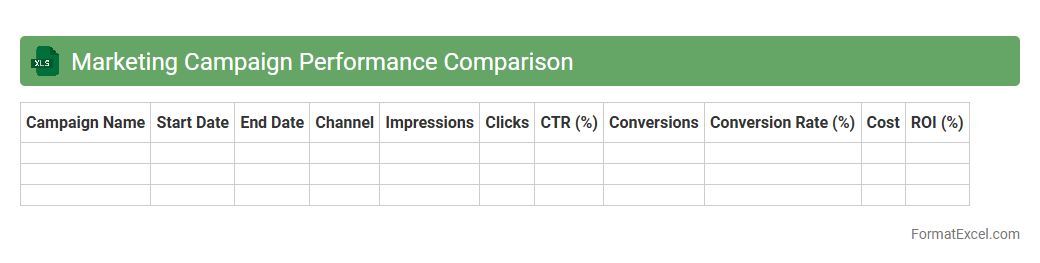
Marketing Campaign Performance Comparison
The
Marketing Campaign Performance Comparison Excel document systematically organizes data from multiple marketing campaigns, enabling clear analysis of metrics such as ROI, CTR, conversion rates, and engagement levels. This tool helps marketers identify successful strategies, allocate budgets efficiently, and make data-driven decisions to optimize future campaigns. By tracking performance side-by-side, businesses can pinpoint trends and areas for improvement, ultimately enhancing overall marketing effectiveness.
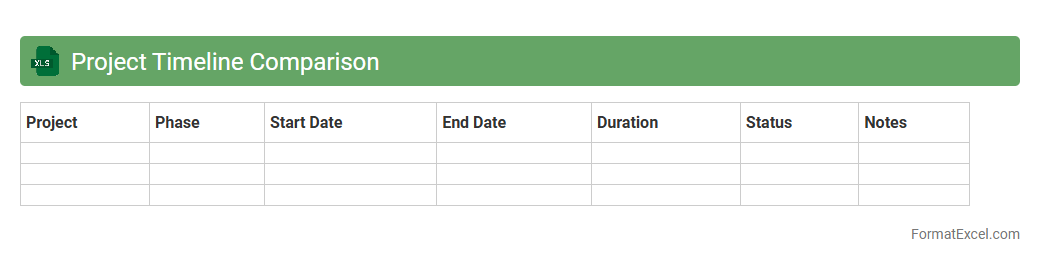
Project Timeline Comparison
A
Project Timeline Comparison Excel document visually contrasts multiple project schedules to identify discrepancies, overlaps, or delays between planned and actual timelines. It helps project managers monitor progress, allocate resources efficiently, and make informed decisions to keep projects on track. Using this tool enhances transparency and improves overall project management effectiveness.
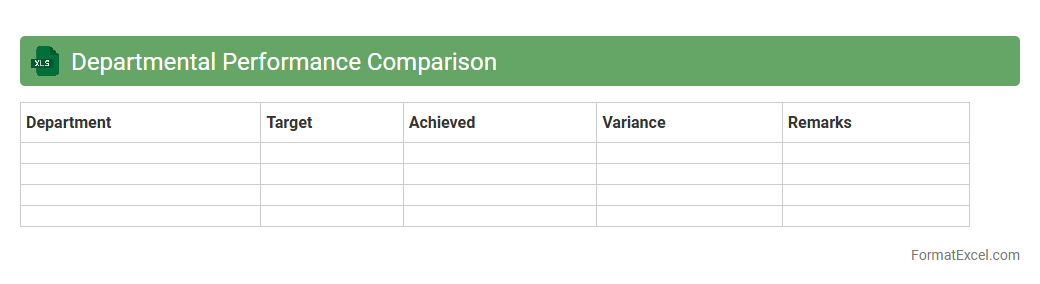
Departmental Performance Comparison
The
Departmental Performance Comparison Excel document provides a structured overview of key performance metrics across various departments, enabling clear identification of strengths and weaknesses. By analyzing data such as sales figures, productivity rates, and budget adherence, it facilitates informed decision-making and targeted improvements. This tool enhances organizational efficiency by promoting transparency and encouraging accountability among departments.
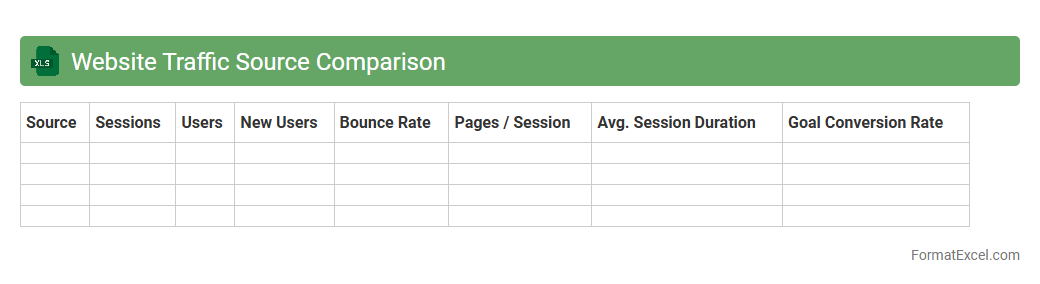
Website Traffic Source Comparison
The
Website Traffic Source Comparison Excel document is a tool designed to analyze and compare different channels driving visitors to a website, such as organic search, paid ads, social media, and direct traffic. It helps identify which sources generate the highest volume, quality, and engagement of visitors, enabling data-driven decisions to optimize marketing strategies. By tracking these metrics in one place, businesses can allocate budget efficiently and improve overall website performance.
Introduction to Comparative Analysis in Excel
Comparative analysis in Excel involves evaluating data sets to identify trends, differences, or insights. It enables efficient side-by-side comparisons using spreadsheets. Understanding comparative analysis helps in making informed business decisions.
Benefits of Using Excel for Comparative Analysis
Excel offers powerful tools to organize and analyze data quickly and accurately. It is user-friendly and widely accessible, supporting various data types. The flexibility of Excel enhances data comparison and reporting capabilities.
Key Elements of a Comparative Analysis Format
A typical format includes clear headers, consistent data columns, and defined metrics for comparison. It is essential to maintain uniform data structure for clarity. Highlighting key metrics ensures effective analysis.
Setting Up Your Comparative Analysis Spreadsheet
Begin by creating separate columns for each variable or dataset to compare. Use clear labels and consistent formatting to improve readability. Efficient spreadsheet setup is critical for accurate analysis.
Choosing the Right Data for Comparison
Select relevant and comparable datasets that align with your analysis goals. Ensure data accuracy and consistency to avoid misleading results. Choosing the appropriate data is foundational for meaningful insights.
Formatting Tips for Clear Comparative Tables
Utilize bold headers, alternating row colors, and gridlines to enhance table readability. Keep numerical formats consistent for easy comparison. Effective table formatting improves data comprehension.
Popular Excel Functions for Data Comparison
Functions like VLOOKUP, IF, SUMIFS, and CONDITIONAL FORMATTING help identify differences and patterns. These functions enable dynamic and automated comparison tasks. Mastering Excel functions streamlines analysis.
Visualizing Comparisons with Excel Charts
Excel offers chart types like bar, column, line, and scatter to visualize data comparisons effectively. Visuals provide clearer insights than raw data alone. Leveraging Excel charts enhances presentation and understanding.
Sample Templates for Comparative Analysis in Excel
Using pre-built templates saves time and provides structured analysis frameworks. Templates often include formulas, charts, and formatting tailored for comparisons. Accessing sample templates accelerates workflow.
Best Practices for Accurate Comparative Reporting
Ensure data validation, consistent updates, and transparent calculation methods. Review results carefully to avoid errors and misinterpretations. Adhering to best practices guarantees reliable reporting.