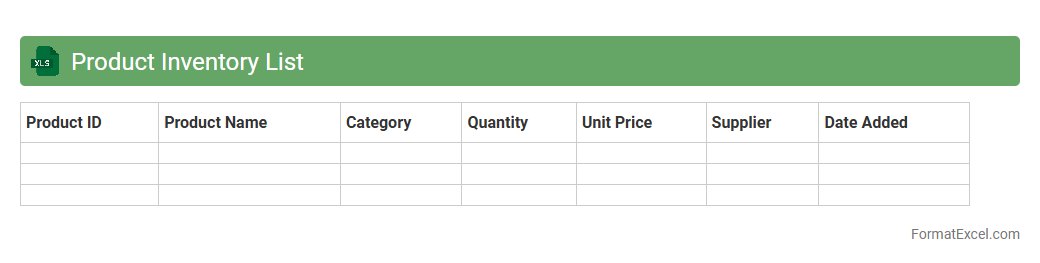
Product Inventory List
A
Product Inventory List Excel document is a structured spreadsheet that records detailed information about products, including item names, quantities, pricing, and stock status. It helps businesses track inventory levels accurately, preventing stockouts or overstock situations while streamlining order management and supply chain processes. Using this document enhances decision-making, improves financial management, and increases operational efficiency by providing real-time data access and organization.
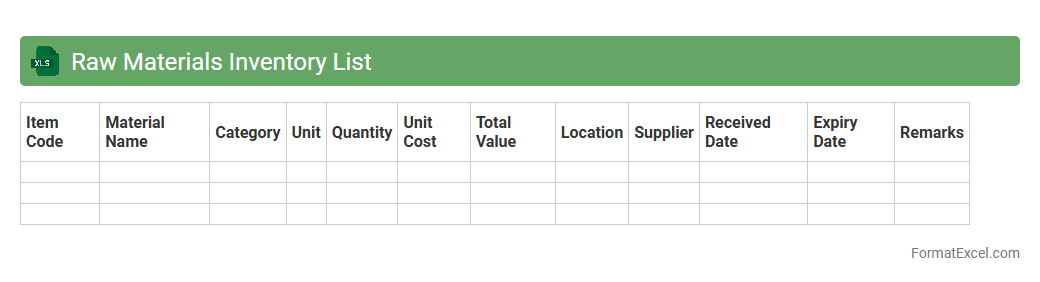
Raw Materials Inventory List
A
Raw Materials Inventory List Excel document is a structured spreadsheet used to record, track, and manage raw materials essential for production or manufacturing processes. It helps businesses maintain accurate stock levels, reducing the risk of shortages or excess inventory, and enables efficient ordering and cost control. Using this document improves operational workflow by providing clear visibility into available resources and facilitating timely decision-making.
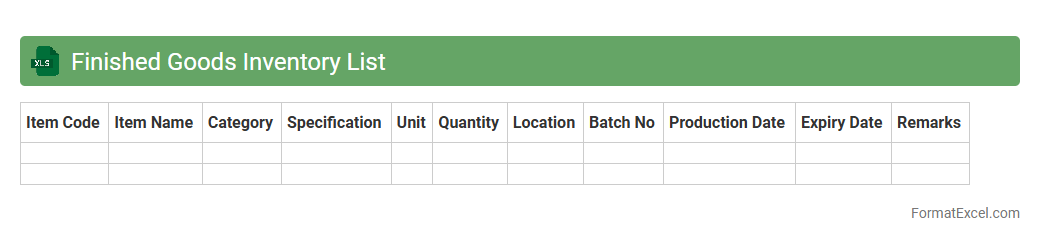
Finished Goods Inventory List
A
Finished Goods Inventory List Excel document is a comprehensive record that tracks completed products ready for sale or distribution. It helps businesses manage stock levels, streamline order fulfillment, and prevent overstock or stockouts. By organizing item names, quantities, batch numbers, and dates, this tool enhances inventory accuracy and supports better decision-making.
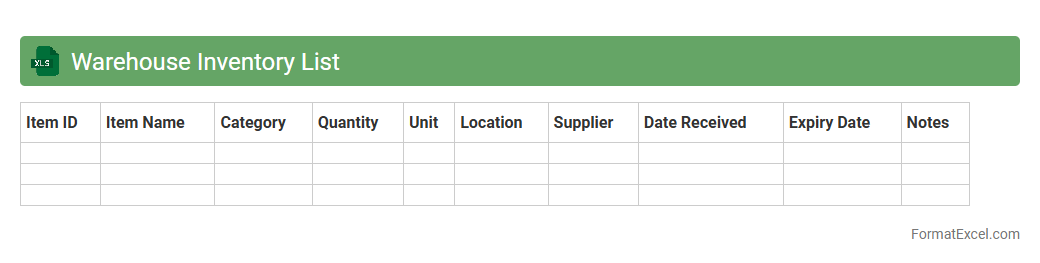
Warehouse Inventory List
A
Warehouse Inventory List Excel document is a structured spreadsheet that tracks and manages the stock of products stored in a warehouse, including quantities, item descriptions, locations, and reorder statuses. It improves operational efficiency by providing real-time visibility into inventory levels, reducing errors, and streamlining stock replenishment processes. This tool supports data-driven decision-making for inventory control, minimizing stockouts and overstock situations that impact business costs.
Spare Parts Inventory List
A
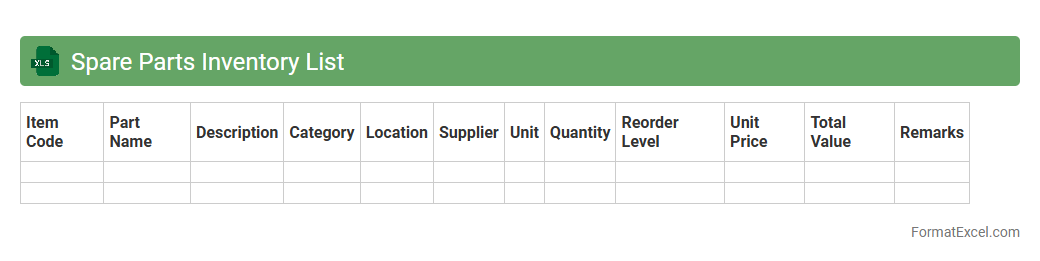
Spare Parts Inventory List Excel document is a digital spreadsheet designed to systematically track and manage spare parts within an organization. It helps maintain accurate records of part numbers, quantities, suppliers, and reorder levels, facilitating efficient inventory control and minimizing downtime due to part shortages. Utilizing this tool enhances procurement planning, cost management, and ensures continuous operational productivity.
Physical Inventory Count Sheet
A
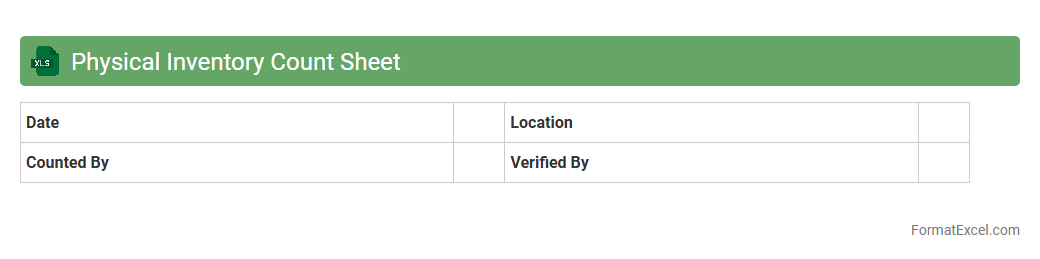
Physical Inventory Count Sheet Excel document is a structured tool used to record and verify the actual quantities of inventory items during stocktaking processes. It helps businesses identify discrepancies between recorded and actual stock, ensuring accurate inventory management and reducing losses from theft or errors. Using this Excel sheet streamlines data entry, facilitates real-time updates, and improves overall inventory accuracy and audit readiness.
On-Hand Inventory List
An
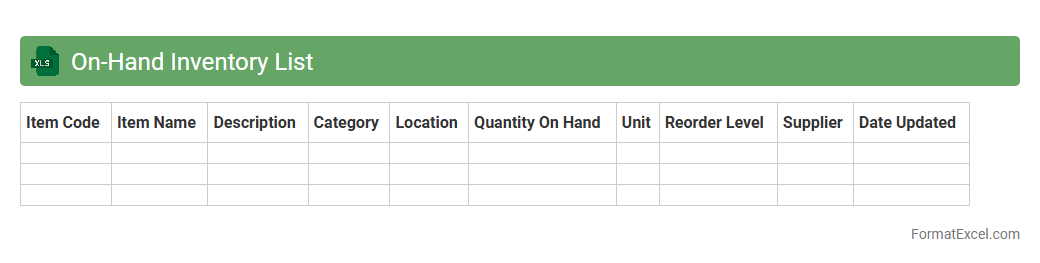
On-Hand Inventory List Excel document is a detailed spreadsheet that tracks the quantity and status of products or materials currently available in stock. It allows businesses to monitor inventory levels accurately, preventing stockouts and overstock situations. By providing real-time visibility into inventory, this tool supports efficient order management, cost control, and demand forecasting.
Inventory Reorder List
An
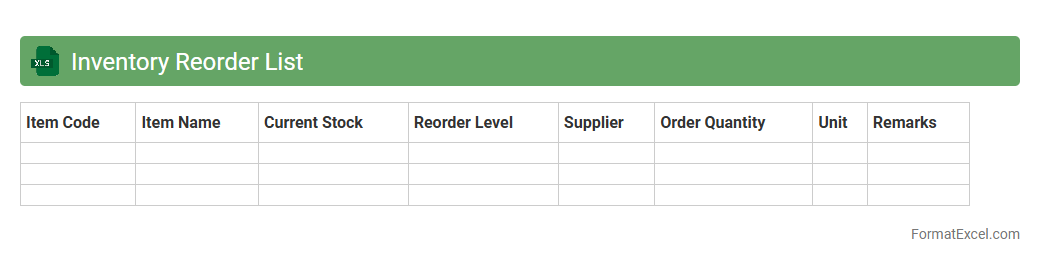
Inventory Reorder List Excel document is a tool that helps businesses track stock levels and identify when items need to be reordered to prevent shortages. It typically includes product details, current inventory counts, reorder points, and supplier information, enabling efficient inventory management. This document streamlines procurement processes, reduces overstock and stockouts, and supports maintaining optimal inventory levels.
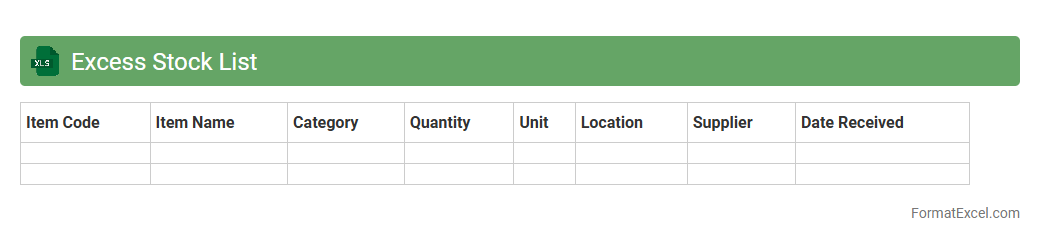
Excess Stock List
The
Excess Stock List Excel document is a detailed inventory tool that identifies and tracks surplus items within a business's stock. It helps optimize warehouse space, reduce holding costs, and improve cash flow by highlighting products that are overstocked or slow-moving. Utilizing this list enables informed decision-making for inventory management and procurement strategies.
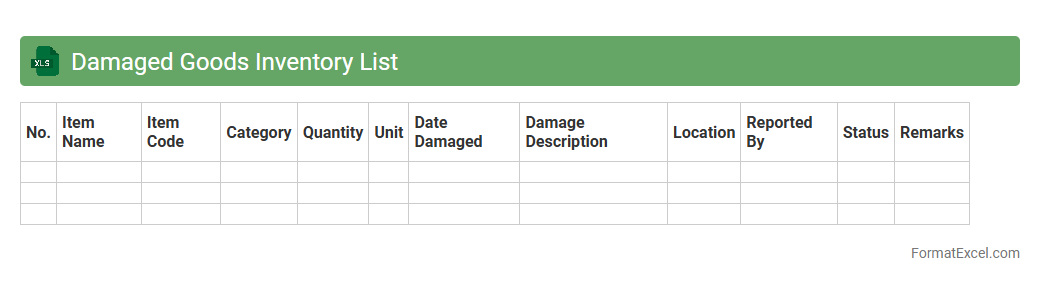
Damaged Goods Inventory List
A
Damaged Goods Inventory List Excel document is a spreadsheet used to systematically record and track items that are damaged or defective within a business's inventory. It helps in identifying the quantity, type, and cause of damage, enabling efficient management of stock losses and informed decision-making for returns or repairs. Utilizing such a list optimizes inventory accuracy, reduces financial discrepancies, and improves overall supply chain management by maintaining clear visibility of unusable products.
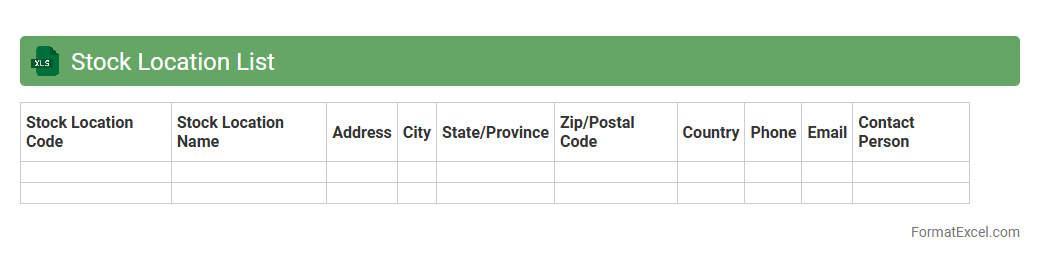
Stock Location List
A
Stock Location List Excel document organizes inventory data by listing product quantities and their specific storage locations within a warehouse or retail space, enabling quick identification and retrieval of items. It enhances inventory management by providing real-time updates on stock levels, preventing overstocking or stockouts, and improving order fulfillment accuracy. This document is essential for streamlining logistics, optimizing space utilization, and supporting efficient supply chain operations.
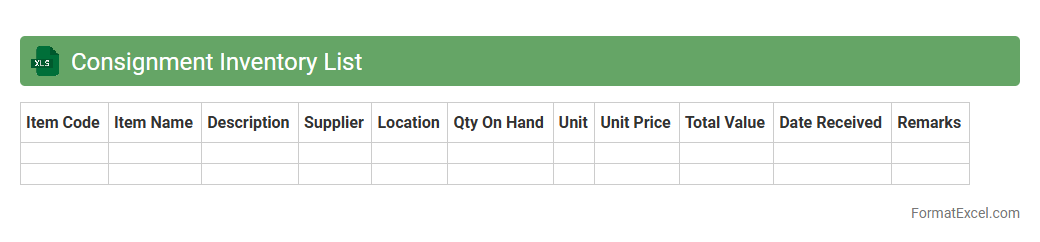
Consignment Inventory List
A
Consignment Inventory List Excel document is a structured spreadsheet used to track products held on consignment, detailing quantities, item descriptions, and stock status. It helps businesses maintain accurate records of consigned goods without ownership transfer until sold, ensuring transparency and efficient inventory management. This tool streamlines stock monitoring, facilitates timely reordering, and improves financial reconciliation between consignor and consignee.
Batch/Lot Inventory List
A
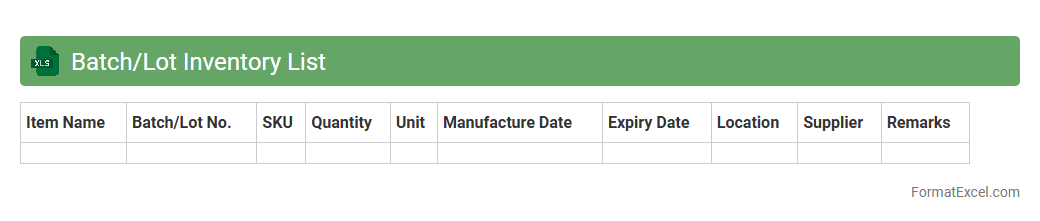
Batch/Lot Inventory List Excel document organizes detailed records of product batches or lots, including information such as batch numbers, production dates, expiration dates, and quantities. It enables efficient tracking and management of inventory by providing clear visibility into stock levels and product lifecycle, facilitating timely reordering and quality control. This document is essential for businesses aiming to maintain compliance with regulatory standards and minimize waste through effective inventory rotation.
Cycle Count Inventory List
A
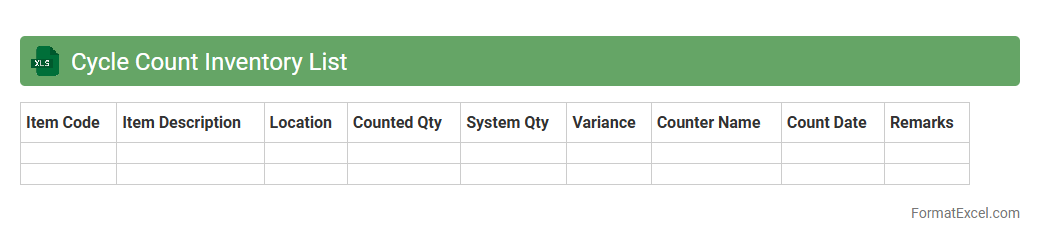
Cycle Count Inventory List Excel document is a structured spreadsheet used to record and track periodic inventory counts, ensuring accuracy between physical stock and inventory records. It helps identify discrepancies, monitor stock levels, and streamline inventory management processes, reducing the need for full physical counts. Utilizing this document enhances operational efficiency, minimizes stockouts, and supports data-driven decision-making for inventory control.
Serialized Inventory List
A
Serialized Inventory List Excel document is a detailed record that tracks individual items by unique serial numbers, enhancing accuracy in inventory management. It helps in monitoring product movement, preventing loss, and simplifying warranty claims by providing precise item identification. This tool is essential for businesses requiring meticulous stock control and traceability across supply chains.
Inventory Aging Report
The
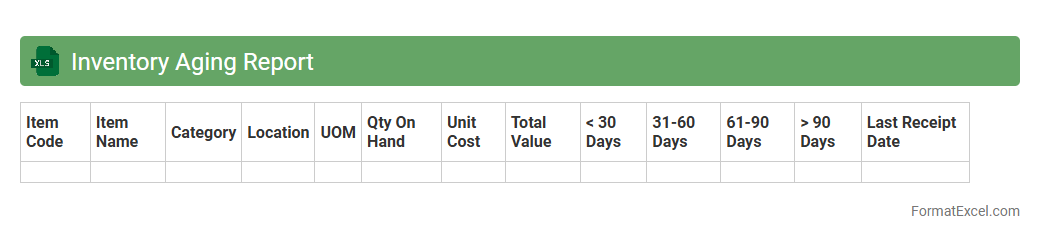
Inventory Aging Report Excel document tracks the duration that inventory items have been in stock, categorizing them by age brackets such as 0-30, 31-60, and 61+ days. This detailed analysis helps businesses identify slow-moving or obsolete products, enabling informed decisions on stock clearance or reordering strategies. By monitoring inventory aging, companies can optimize turnover rates, reduce holding costs, and improve overall supply chain efficiency.
Inventory Valuation List
An
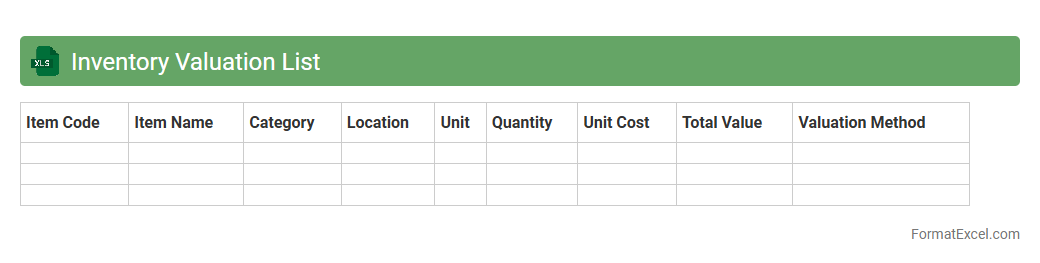
Inventory Valuation List Excel document is a detailed spreadsheet used to calculate and record the value of inventory items, tracking quantities, costs, and total asset worth. It helps businesses monitor stock levels, manage costs, and maintain accurate financial records for better decision-making and reporting. Using this document improves inventory control, supports budget planning, and enhances profitability by providing clear insights into inventory investment.
Inbound Inventory List
An
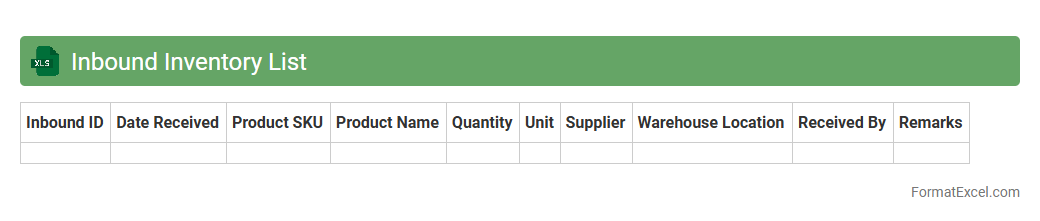
Inbound Inventory List Excel document is a detailed record of products or materials expected to arrive at a warehouse or business location, including quantities, supplier information, and delivery dates. It helps streamline inventory management by allowing teams to track incoming stock, plan storage needs, and prevent stockouts or overstock situations. This document enhances operational efficiency by ensuring timely updates and accurate monitoring of inventory inflows.
Outbound Inventory List
An
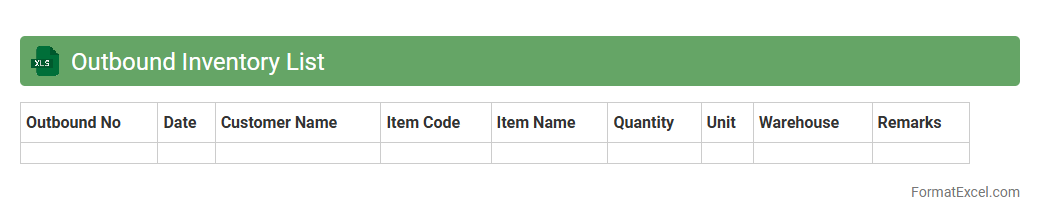
Outbound Inventory List Excel document is a detailed record of products scheduled for shipment, including quantities, item descriptions, and destination details. It helps streamline warehouse operations by providing clear visibility into inventory leaving the facility, reducing errors and improving order accuracy. This document is essential for tracking outbound shipments, managing stock levels, and enhancing overall supply chain efficiency.
Inventory Transfer Log
The
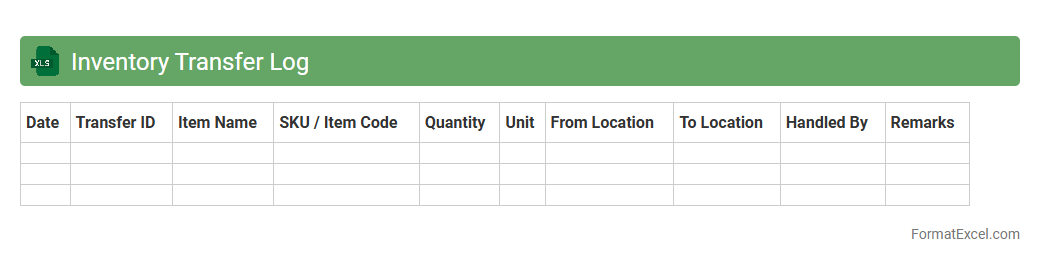
Inventory Transfer Log Excel document tracks the movement of stock items between different locations, departments, or warehouses within an organization. It provides clear records of quantities, dates, and responsible personnel, ensuring accountability and minimizing discrepancies. This log enhances inventory accuracy, streamlines audits, and supports efficient supply chain management.
Reserved Stock List
A
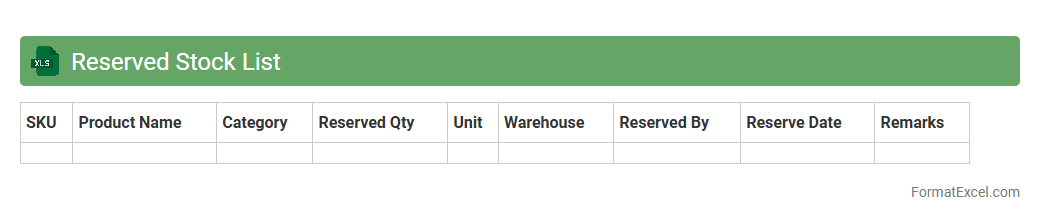
Reserved Stock List Excel document is a detailed inventory tool that tracks items set aside for specific orders or purposes, ensuring accurate stock management. It helps businesses avoid overcommitting or double-selling inventory, thereby improving order fulfillment and customer satisfaction. This document streamlines warehouse operations by providing real-time visibility into reserved quantities and available stock levels.
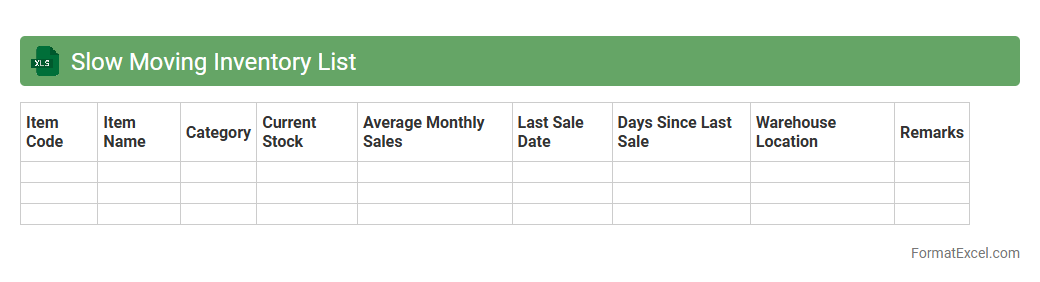
Slow Moving Inventory List
A
Slow Moving Inventory List Excel document tracks products with low sales velocity, helping businesses identify items that remain in stock longer than expected. This tool enables efficient inventory management by highlighting overstocked or obsolete products, reducing holding costs and improving cash flow. Using this list helps optimize stock levels, ensuring better purchasing decisions and enhanced overall supply chain performance.
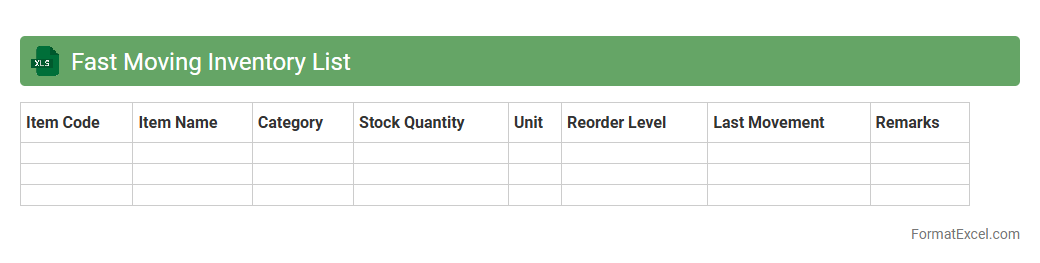
Fast Moving Inventory List
A
Fast Moving Inventory List Excel document tracks products with high turnover rates, helping businesses identify items that sell quickly and need frequent restocking. This tool enhances inventory management by providing clear insights into demand patterns, reducing stockouts and excess inventory. Utilizing such a list streamlines supply chain operations and boosts overall sales performance.
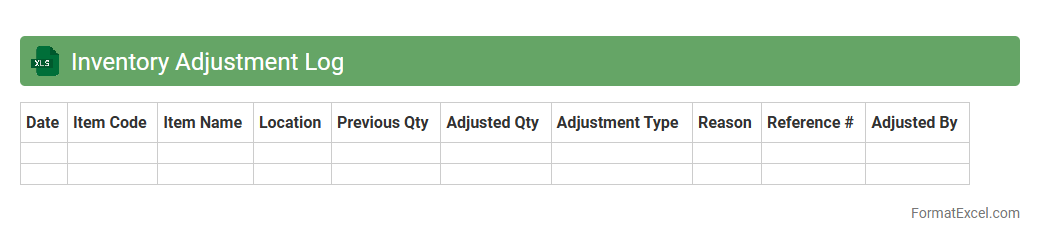
Inventory Adjustment Log
An
Inventory Adjustment Log Excel document is a systematic record used to track changes in inventory levels due to discrepancies, damages, or stock corrections. It helps maintain accurate inventory counts by documenting every adjustment, ensuring data integrity for financial reporting and operational decision-making. This log enhances inventory control, reduces errors, and facilitates audit compliance by providing a clear history of stock modifications.
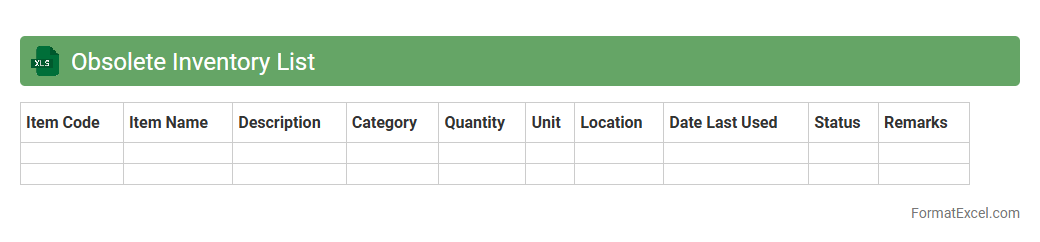
Obsolete Inventory List
The
Obsolete Inventory List Excel document tracks items that are no longer in demand, helping businesses identify and manage stagnant stock effectively. It provides detailed data on product quantities, purchase dates, and sales history, enabling strategic decisions to reduce holding costs and optimize warehouse space. Utilizing this document improves inventory turnover and supports better financial planning by minimizing losses from unsellable goods.
Introduction to Inventory List Format in Excel
An Inventory List Format in Excel is a structured spreadsheet used to keep track of products or materials efficiently. It helps organize stock levels, item details, and movement history in a simple, accessible way. Excel's grid layout and features make it ideal for managing inventory data.
Benefits of Using Excel for Inventory Management
Using Excel for inventory management offers flexibility and ease of use without needing complex software. Its powerful calculation and sorting capabilities allow for quick stock level updates and reporting. Excel supports data accuracy and customizable layouts to fit different business needs.
Key Elements of an Inventory List in Excel
Critical components include item names, quantities, SKU codes, locations, and reorder points. Including columns for supplier information and item costs helps in comprehensive inventory tracking. These key elements ensure effective stock monitoring and decision-making.
Creating an Inventory List Template in Excel
Start by defining necessary columns based on your inventory type and business goals. Use Excel's table and formatting tools to create a clean and easy-to-update template. A well-designed template saves time and improves inventory data consistency.
Step-by-Step Guide to Setting Up Your Inventory List
Begin with entering item details, then set up formulas for automatic quantity calculations. Use data validation to prevent input errors and conditional formatting to highlight stock issues. Following a step-by-step approach reduces mistakes and ensures comprehensive tracking.
Essential Excel Functions for Inventory Tracking
Functions like SUM, VLOOKUP, and IF are integral for calculating totals, searching data, and automating alerts. These Excel tools enhance tracking by enabling dynamic data updates and error checking. Mastering these functions optimizes inventory control efficiency.
Customizing Inventory Formats for Business Needs
Adapt your Excel inventory list by adding columns specific to your industry or operational process. Use filters, pivot tables, or charts for better data visualization and analysis. Customized formats help align inventory management with your unique business requirements.
Tips for Maintaining Accurate Inventory Records
Regularly update the inventory list to reflect stock changes and conduct periodic audits to verify accuracy. Use Excel's tracking tools to monitor discrepancies and correct errors promptly. Maintaining accurate records supports effective inventory control and business decisions.
Common Mistakes to Avoid in Inventory Excel Sheets
Avoid issues like inconsistent data entry, neglecting backups, and overcomplicating your spreadsheet with unnecessary details. Always validate inputs and keep the template user-friendly. Preventing these common mistakes ensures reliable and efficient inventory management.
Downloadable Inventory List Excel Templates
Many websites offer free and premium downloadable Excel templates for inventory management. These templates provide a ready-to-use structure to jumpstart your tracking process. Accessing downloadable templates saves setup time and offers professional inventory formats.